

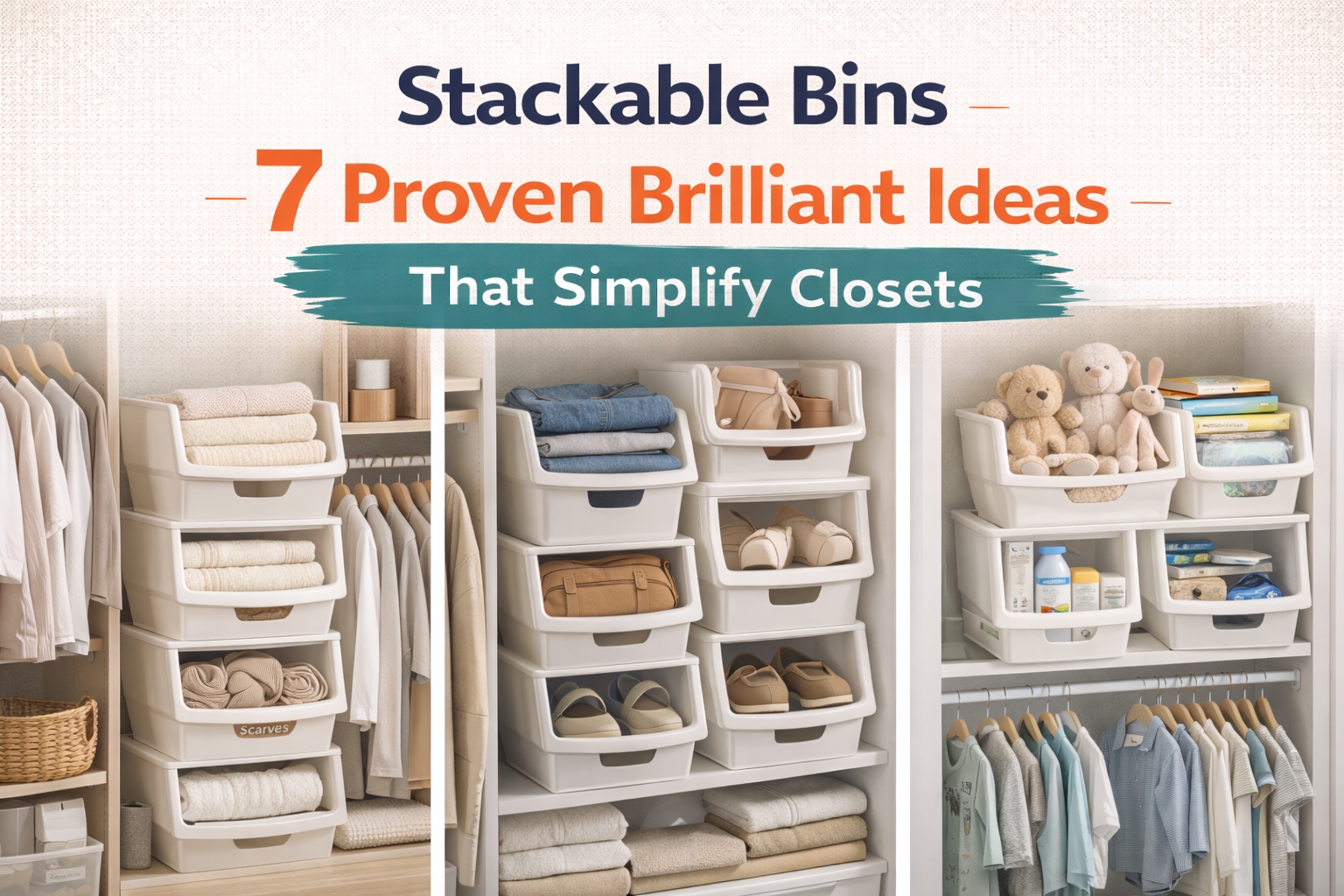
stackable bins, modular storage bins, stacking storage bins are the fastest way to reclaim chaos in any closet. Whether you’re fighting clutter or maximizing every inch of a small space, these clever containers make organizing nearly effortless. But not all bins are built the same, and a realistic strategy is key. Here’s exactly how to pick, stack, and solve common pitfalls — so your closet finally works for you.
Key Takeaways
- Stackable bins dramatically boost closet storage, but material and quality matter for real, lasting results.
- Common issues like bowing lids and brittle plastics can waste space or even ruin what’s inside if you don’t choose wisely.
- Simple tweaks — from bin size to latching method — can help you avoid the mistakes that frustrate most users.
- What Are Stackable Bins — And Why Use Them in Closets?
- Step-by-Step Guide: Closet Organization with Modular Storage Bins
- Advanced Analysis & Common Pitfalls
- Conclusion
- FAQ
What Are Stackable Bins — And Why Use Them in Closets?
Stackable bins, modular storage bins, and stacking storage bins are specially designed containers with grooved lids and reinforced bodies that let you build neat storage towers in your closet. Unlike loose baskets or soft cubes, these bins offer true vertical maximization. You can slide several onto a single shelf or fit tall stacks beneath hanging clothes. Latching lids keep out dust and make shifting entire towers less risky.

Reviews show a huge demand for these bins from top brands like Iris, Rubbermaid, and Sterilite, especially for closet and home organization purposes (source, source). Not only do their vertical designs give you more space, but clear options allow you to identify contents at a glance. Compared to collapsible fabric cubes, stackable bins keep items dust-free, can bear heavier loads, and prevent tips or spills when moved.
Stackable bins shine because of their:
- Ability to double or triple usable closet height
- Protection from dust and pests
- Compatibility with both long and short shelving
- Range of sizes perfect for everything from scarves to out-of-season bedding
Want even more ways to maximize your closet? Pair bins with over the door organizers or upgrade shelving without drilling holes using no drill shelves.
Step-by-Step Guide: Closet Organization with Modular Storage Bins
Ready to get practical? Here’s a proven, frustration-free approach that works whether your closet is cramped or cavernous.
- Clear everything out. Remove all clothes, linens, and random items. Start with a real “blank slate” so you don’t waste effort working around clutter.
- Sort by item type and weight. Heavier items (books, spare tools, shoes) should go in the sturdiest bins with snap-lock lids, placed toward the bottom. Soft goods (scarves, hats, seasonal clothes) get mid-stacked, while frequently used things should go on top or in front.
- Choose the right bin size and material. For shelves, select bins that are short enough to stack two or three high but not so tall that you lose extra headroom. Polypropylene plastic bins (like these from Iris) are best for heavy-duty use, but fabric bins work for ultra-light storage. Avoid bins with oversized, domed lids that trap water or eat up stacking room (source).
- Stack safely and label upfront. Nest bins neatly — always check lids for grooves that prevent sliding. Secure all latches before placing a new bin on top (weak clips tend to pop off). Use a label maker for fast visual indexing — no more digging for that one winter glove.
- Optimize tall, narrow or awkward shelf spaces. If your closet has deep but short shelves, go for “shoebox” sized bins and create double rows. For high, unreachable shelves, limit stacks to 3–4 bins for safety, and keep a small step stool handy for the top tier.
- Re-evaluate seasonally. Things like bedding and luggage change with the season. Use vacuum storage bags inside large bins for massive space savings. See our vacuum storage bag guide for a full breakdown.
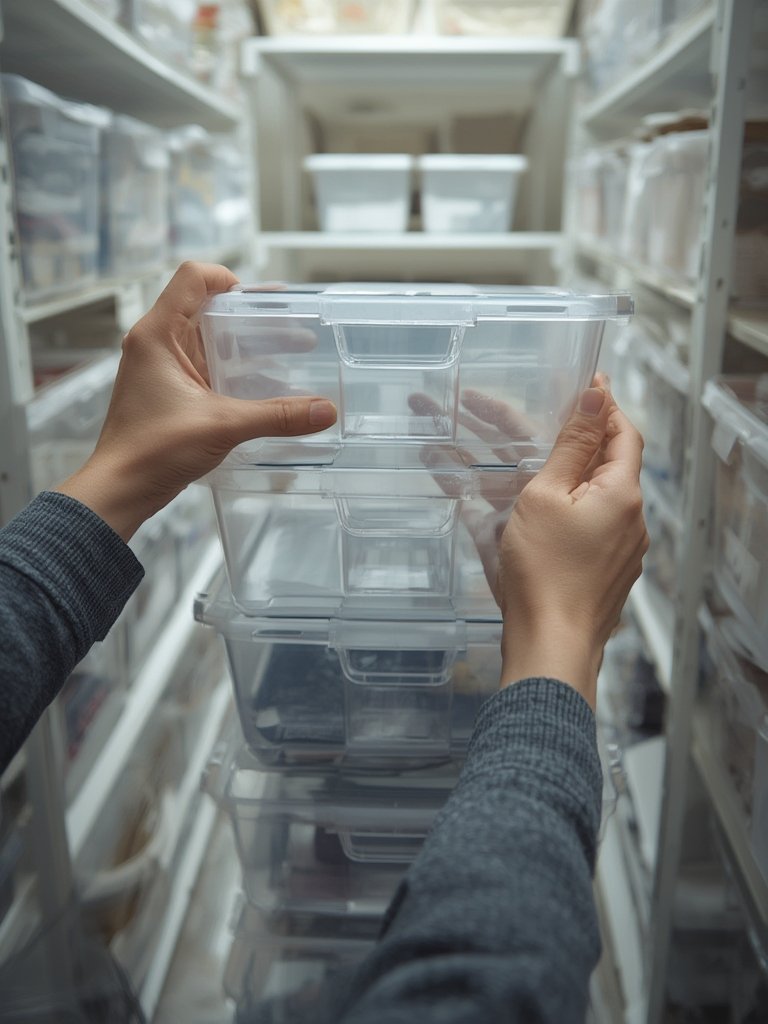
For even more tiny-space hacks, consider drawer dividers or a modular closet system that fits bins perfectly. Want to keep food or toiletries organized too? Check out our favorite pantry containers that stack as well as any closet bin.
Advanced Analysis & Common Pitfalls
Stackable bins aren’t magic. User reviews and lab testing show they excel at vertical space but have weak points you should know before investing.
| Aspect | Stackable Bins | Collapsible Fabric Cubes |
|---|---|---|
| Space Optimization | Grooved lids help build tall, stable towers for vertical gains. Semi-transparent sides let you see contents without unstacking. Fits shelves or under beds. (source) | Fold flat when empty but attract dust. Fits 13-inch cube openings but rarely stable for stacking heavy loads. |
| Material Quality | Polypropylene is impact-resistant and easy to clean but can become brittle below freezing. Handles heavy hardware, tools, or books. Fabric bases (in hybrid bins) support up to 50 lbs but still bend if overfilled. (source) | Reinforced cloth works for light storage but no dust protection. Lids usually not airtight and lose shape over time. |
| Cost-Effectiveness | Plastic bins like Rubbermaid Stack & Pull are budget-friendly in bulk, but quality varies. Some latches or handles may crack under heavy use. Size matters; petite bins are cheapest but fill fast. (source) | Amazon Basics cubes give good value for simple jobs but not for stacking or dust protection. |
Realistic Problems You Might Face:
- Brittleness in cold storage: Polypropylene bins (like Iris) risk cracking if your closet isn’t heated — a big issue for garages or entry closets during winter. No popular bin brand addresses this problem, so avoid these in cold spots.
- Overstuffing leads to collapse: Flexible sides bow outward dramatically if you cram too much inside. Lids can pop off (or refuse to close), making your neat tower unstable. For heavy loads, always check manufacturer weight ratings and stick to medium fills.
- Lid and latch failures: Many highly rated bins have weak latches that snap off easily or lids that bow upward under the strain of blankets or towels. Pick bins with reinforced, pressure-closure latches and test them before buying in multiples. (source)
- Stack height limits: Safely stacking more than 3–4 bins can be risky on narrow shelves. Watch for uneven weight and never stack bins above head height or in high-traffic daily use zones.
- Handle pain and lost space: Some bins have sharp-edged or awkward handles that pinch fingers or crack under pressure. Oversized lids can waste several inches between bins, especially in narrow closets.
For renters, a door-hanging organizer or rolling cart may solve small-item chaos with even less risk of tipping or lost space.

Conclusion
If you want to turn a frustrating closet into a flawlessly organized space, stackable bins, modular storage bins, stacking storage bins are your best bet — as long as you pick the right size, test lids and latches, and stack carefully. Watch out for brittleness in cold closets and be realistic about stacking height for maximum safety.
Ready to finally end closet clutter? Choose sturdy stackable bins and start organizing today for a system that lasts.
FAQ
What is the best material for stackable closet bins?
Polypropylene plastic is the most durable and washable for most closet needs. Choose bins with reinforced latches and avoidance of brittle plastic in cold locations. Fabric bins work for very light items but do not protect from dust.
How do I keep stackable bins stable when fully loaded?
Stack only up to 3-4 bins high, use models with grooved lids, and always secure latches firmly. Place heavier bins at the base for optimal safety. Avoid overstuffing, which can cause lids and latches to fail.
Are stackable bins safe for garages or unheated closets?
Many stackable bins become brittle in extreme cold and may crack. If your closet or storage area is not climate controlled, look for bins specifically rated for low temperatures or use fabric alternatives for light storage needs.
How do stackable bins compare to no drill or over-the-door shelving?
Stackable bins maximize vertical space and protect items from dust, but can waste space with bulky lids. No drill shelving and over-the-door organizers (like these) are better for fast access and ultra-small items.
What are the most trusted stackable bin brands for closets?
Iris, Rubbermaid, and Sterilite are all highly rated for stacking stability, longevity, and value for closet use. Always check latches and handles for weak points before buying in bulk. (Review more at Bob Vila.)