

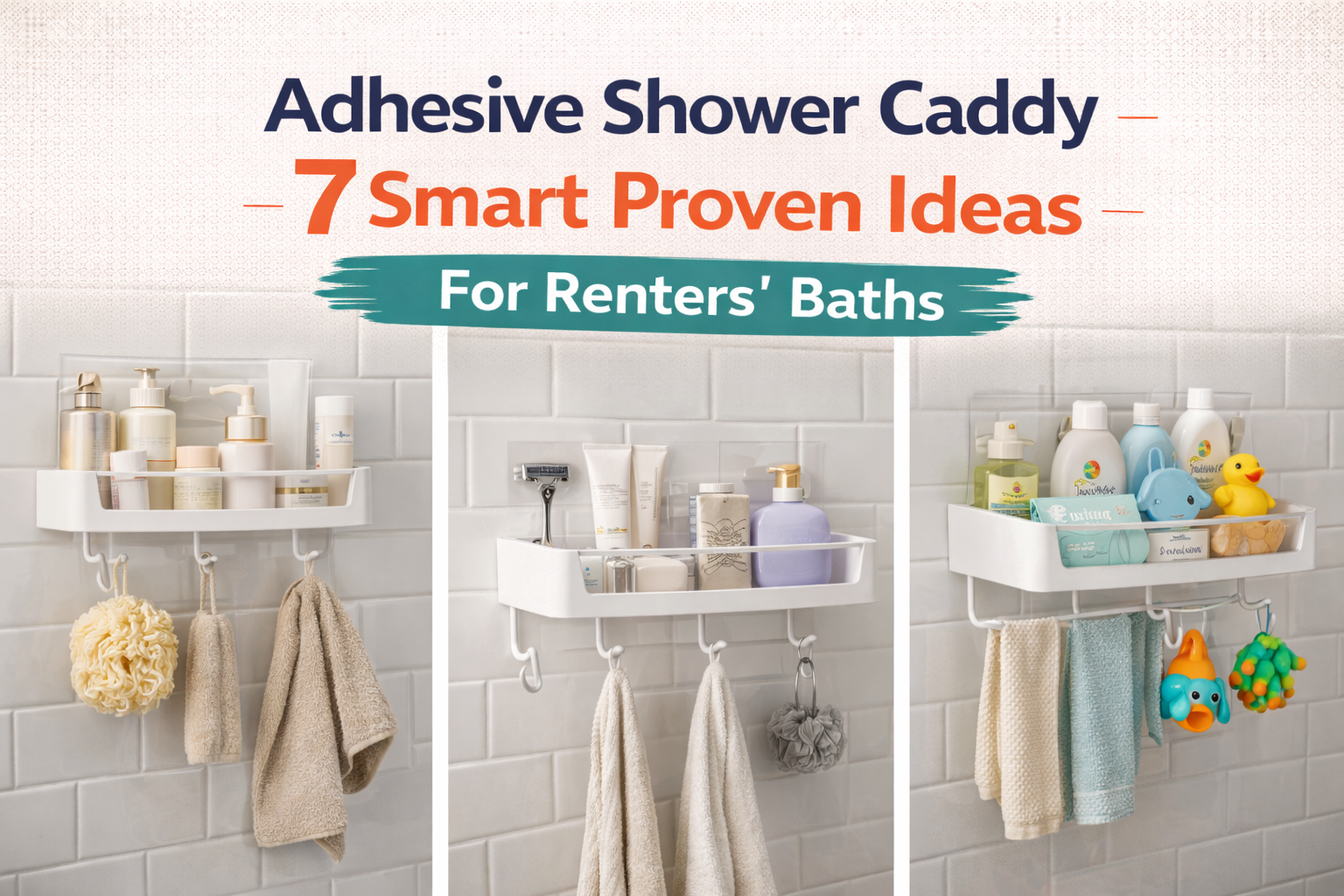
Adhesive shower caddy, shower organizer no drill, and shower shelves adhesive products are transforming bathroom storage—delivering quick, renter-friendly upgrades without drilling or wall damage. If you want a tidy shower with easy install and removal, these solutions dominate today’s home organization market for a reason. This guide reveals what’s driving their popularity, uncovers real durability issues, compares top sellers, and shows you exactly how to install and use them for best results.
Key Takeaways
- Adhesive and no-drill shower organizers drive the home storage market, with renter appeal and easy installation.
- Rustproof stainless steel and mesh are top materials, but real long-term data on adhesion and rust resistance is still missing.
- Installation is quick and surface-safe, but brand, material, and tile type affect results—choose wisely for your space.
- What Are Adhesive Shower Caddies and No-Drill Shower Organizers?
- How to Install and Get the Most from Your Adhesive Shower Caddy
- Advanced Product Analysis and Common Pitfalls
- Conclusion
- FAQ: Adhesive Shower Caddies
What Are Adhesive Shower Caddies and No-Drill Shower Organizers?
Adhesive shower caddies and shower organizer no drill options are wall-mounted storage shelves designed for your shower—installed with strong adhesive pads or suction cups instead of screws. These shower shelves adhesive units are attracting both homeowners and renters, offering instant upgrades for cluttered showers and easy organization for bottles, soaps, and razors.
Market trends in 2023 and 2024 show these organizers are a major force in home storage. The global shower caddy market reached USD 1.8 billion in 2024, driven by 18% more U.S. bathroom remodels and surging rental demand for damage-free solutions. Over 85% of buyers are residential, seeking simple ways to organize limited spaces without tools or permanent changes.
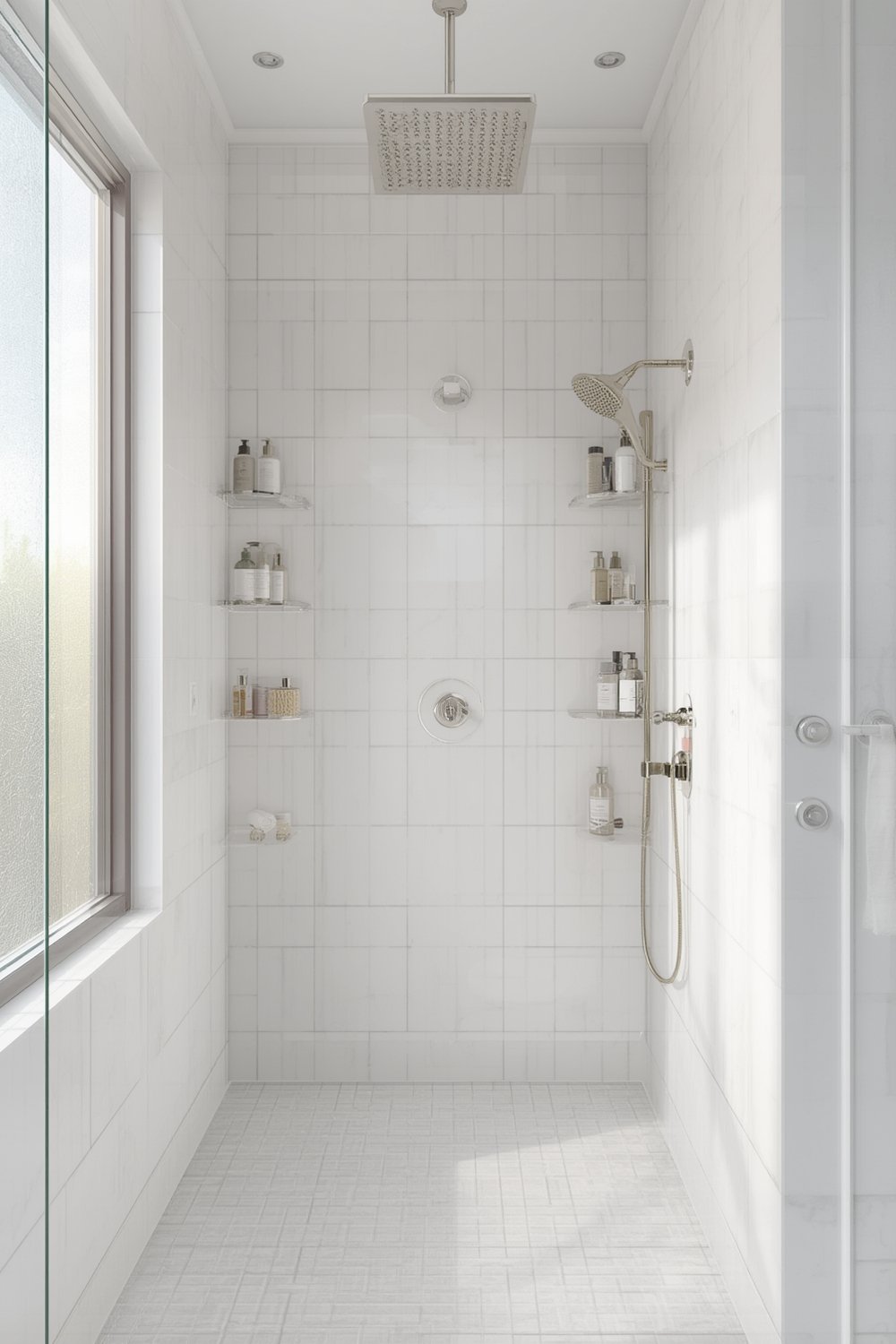
These caddies are usually made from rustproof stainless steel or mesh, ensuring durability in wet conditions and addressing previous complaints about rust. Adhesive trays, hooks, and shelves allow for arranging bottles at any height—even in corners. If you want similar flexibility in kitchens or closets, check out these no drill shelves and renter-friendly storage ideas for small spaces.
Key reasons for their popularity:
- No drilling or permanent wall damage—renter safe
- Fast installation—no tools needed
- Easy removal with minimal residue
- Adaptable layouts for different bottle sizes and shower setups
Online retail for these solutions is spiking at 15% year-over-year growth, and Amazon’s leading adhesive caddy models (like YASONIC and Veken) show sales in the tens of thousands monthly, meaning these products are everywhere from family homes to rental apartments.
How to Install and Get the Most from Your Adhesive Shower Caddy
Follow these steps to get a strong, reliable hold that protects your walls and maximizes storage. These tips work for most adhesive shower shelves and caddies, with a focus on minimizing common problems.
- Choose Your Location: Pick a section of tile or glass away from grout lines. The flatter and cleaner, the better the adhesive will work. Corners are great for space-saving models.
- Clean and Dry the Surface: Use isopropyl alcohol or vinegar to wipe the area. Dry thoroughly.
- Position the Caddy:** Hold your empty shelf in place and mark the outline with a pencil or piece of tape.
- Apply the Adhesive: Remove the backing and press firmly for at least 30-60 seconds. For suction designs, push until no air bubbles are visible. Hold the caddy for extra time if the instructions recommend it.
- Wait Before Loading: Let the adhesive “cure” for 12-24 hours without adding any weight. (This is the most common skipped step—adding bottles too soon means failure.)
- Organize Your Items: Put light bottles on top, and reserve the main shelf for heavier bottles. Rotate the caddy 90° if fitting a tall razor or oversized shampoo bottle.
For renters or students in dorms, this process is perfect: no tools, no landlord headaches, and you can reclaim your deposit. Want more rental-safe storage? Browse these over the door organizer ideas for every room.
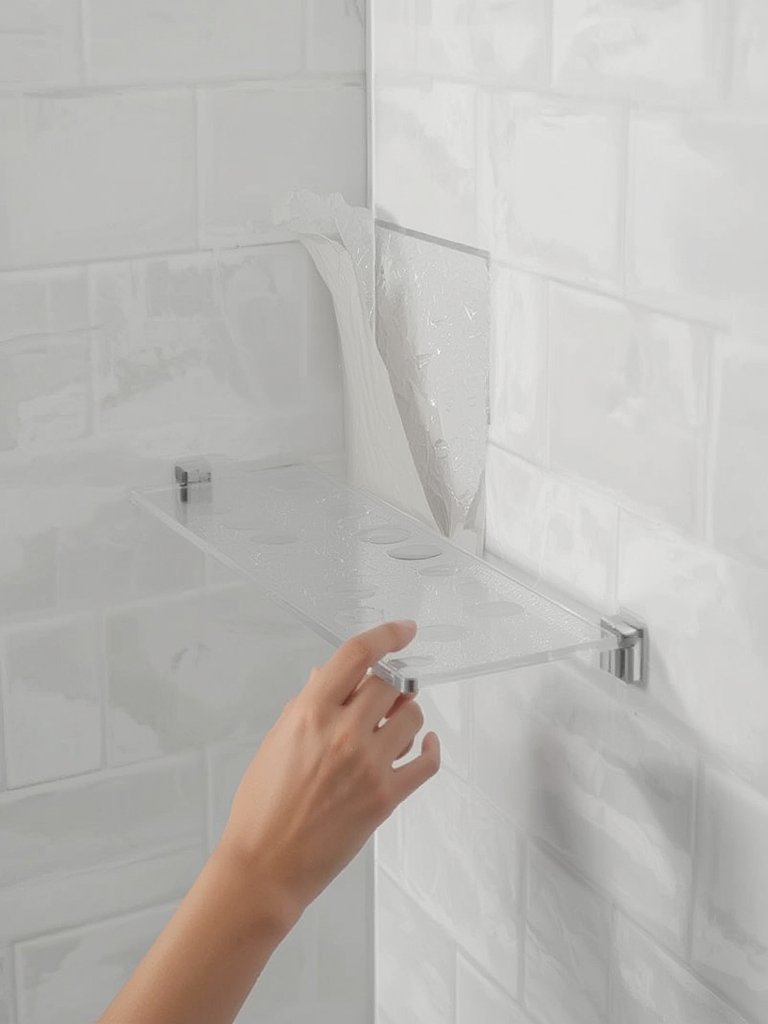
To remove, use a length of dental floss or fishing line behind the adhesive pad, sliding it back and forth to safely peel the caddy off your tiles. Clean up any leftover residue with rubbing alcohol—no scraping needed. This is the same approach used for removable command hooks and damage-free wall hooks.
Remember, each product may differ (some use suction rather than glue), so always check the instructions. For advanced under sink storage or maximizing tiny bathroom spaces, see the best under sink organizer tips to complement your shower shelf setup.
Advanced Product Analysis and Common Pitfalls
The adhesive shower caddy and shower organizer no drill market is crowded—yet not all products perform the same. Here’s what sets brands apart, real-world pitfalls to avoid, and what existing research tells us (and doesn’t).
- Rust Resistance: Leading models use stainless steel and mesh. This addresses ongoing user demand to avoid rust—but exact “rustproof” claims aren’t always proven. Real-life rust can appear if the coating is scratched or in extreme humidity. Independent durability tests are missing, so read reviews closely before buying.
- Adhesion Strength: No brand reliably advertises weight limits, though genuine user complaints about falling caddies exist for cheap adhesives or poorly cleaned surfaces. The widely sold YASONIC and Veken models have large capacity claims (tens of thousands of monthly buyers), but precise specs are rarely transparent. Use caution with heavy bottles, and avoid overloading.
- Tile Type Matters: Smooth, non-porous tiles (glossy ceramic, glass) are safest. Suction cups struggle on grout or textured walls. Warm adhesive on rough surfaces for better stick. On painted surfaces or wallpaper, use extra caution as even mild adhesives may strip the finish.
Comparison Table: Leading Adhesive Shower Caddy Specs (2024)
| Brand | Material | Adhesive Type | Weight Limit Claimed | Rustproof? | Retail Price Range |
|---|---|---|---|---|---|
| YASONIC | Stainless Steel | Adhesive Pad (Unspecified) | Not listed | Yes (but not certified) | $16.19 |
| Veken | Stainless Steel | Adhesive Pad | Not listed | Yes (6-Pack) | $17.58 |
| WOWBOX | Stainless Steel (Black Finish) | Adhesive Pad | Not listed | Yes | ~$16.99 |
| Croydex Stick n Lock | Chrome Plated Steel | Stick-and-Lock Suction | Not listed | Rust-Free Claimed | ~$24.99 |
| Generic Mesh Models (Alibaba) | Stainless Mesh | Adhesive/Suction | Not listed | Yes | $4.00–$5.15 (bulk) |
Note: None of these leading brands publish certified weight limits or ASTM testing for rustproof durability. If you’re storing heavy bottles, take a conservative approach—distribute weight and don’t overload.
For multi-tier or premium hybrid models, prices can stretch up to $64, but most single- or double-shelf adhesive setups on Amazon fall in the $10–$18 range [See top-seller market data].
There still aren’t any published, independent long-term case studies for water exposure and tile types. Realistically: expect best results on smooth tile, and be ready to reseat or tighten after a year or two if humidity is high. If you want to organize spaces that see less moisture, modular bins and stackable containers offer reliable alternatives.
Conclusion
Adhesive shower caddy, shower organizer no drill, and shower shelves adhesive products are perfect for renters, DIYers, and anyone tired of clutter or drill holes—but not all models offer the same durability or adhesion. Before you buy, check material quality, prep your wall well, follow install instructions, and avoid overloading. For reliable, rustproof storage with minimal commitment, these tools are hard to beat. Upgrade your bathroom and get more renter-friendly ideas here. Ready for an organized, stress-free shower? Shop your caddy today and enjoy easy-access storage every morning.
FAQ: Adhesive Shower Caddies
How much weight can an adhesive shower caddy hold?
Most brands don’t list a precise weight limit, but a good adhesive caddy safely holds about 8–12 pounds if installed on smooth tile and allowed to cure. Avoid overloading—heavier items can pull weaker adhesives off.
Will adhesive shower shelves damage my bathroom tile?
Quality adhesive pads come off cleanly on smooth, non-porous tile—use dental floss for removal and clean residue with alcohol. Avoid using these products on painted or wallpapered walls, as some finishes may peel.
How do I prevent rust on my shower caddy?
Choose a stainless steel or rustproof-coated model. Wipe away water occasionally and avoid scratching the coating. No caddy is truly immune to rust forever, especially if exposed to standing water on the shelf.
What’s the difference between adhesive and suction cup shower organizers?
Adhesive pads generally hold stronger and last longer; suction cups are easier to reposition but may fail on textured or porous surfaces. For consistent strength, adhesive is recommended for most bathrooms.
Can I reuse the adhesive pads?
Most adhesive pads are single-use. Some brands sell replacement pads, but don’t try to reuse a previously applied pad—the stickiness will be reduced, risking falls.