

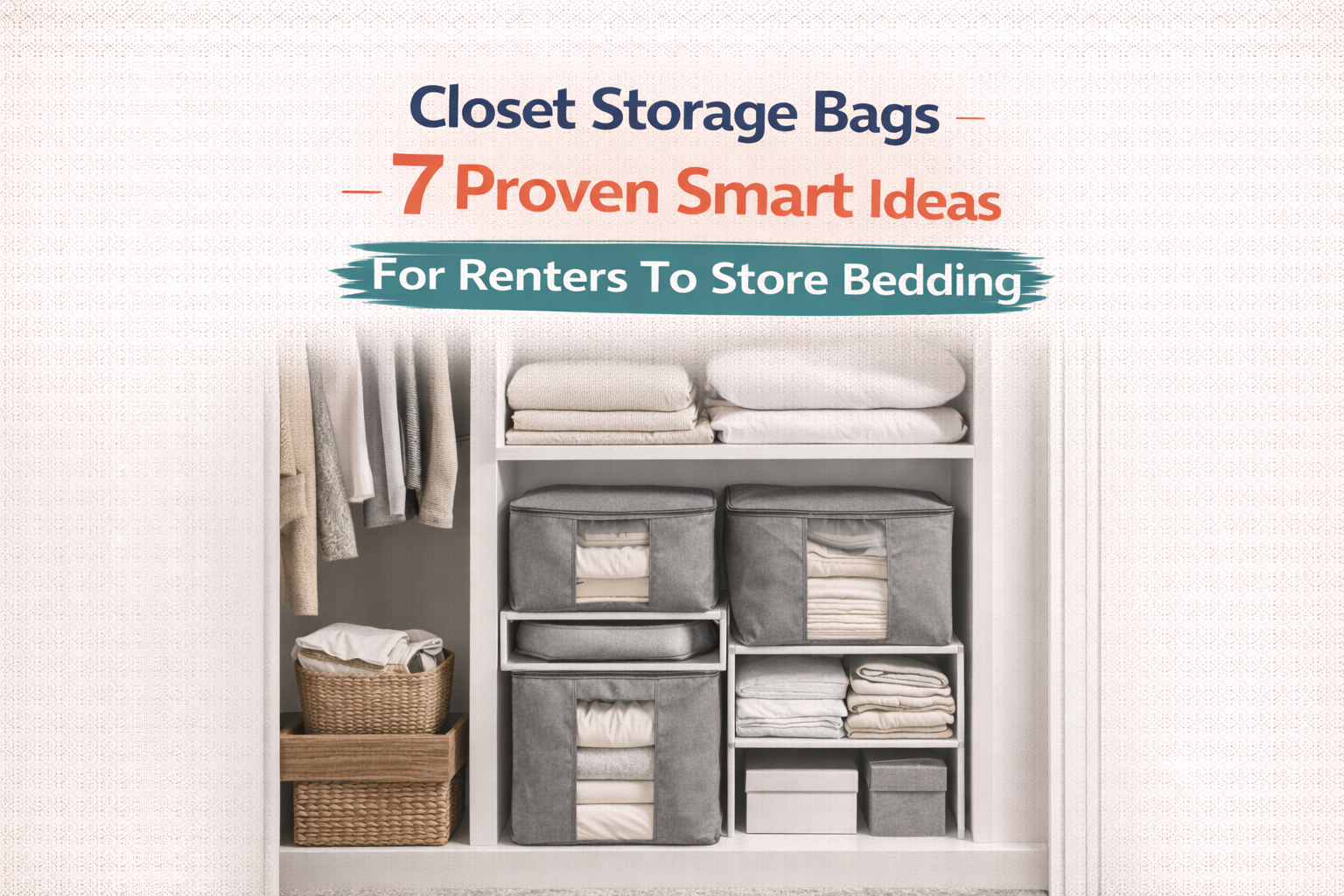
Closet storage bags, blanket storage bags, bedding storage bags are now essential tools for maximizing space and keeping closets organized, especially as bedroom storage needs and seasonal organization trends continue to rise.
Key Takeaways
- Closet, blanket, and bedding storage bags are rapidly growing in popularity, driven by the need for space saving and seasonal organization.
- Consumers should be aware of durability and sizing pitfalls before buying—many products vary in materials, price, and protective features.
- Using the right combination of storage solutions (under bed, soft-sided, vacuum, and modular) can significantly streamline small-space living.
- What Are Closet, Blanket, and Bedding Storage Bags & Why Are They Trending?
- How to Choose and Use Storage Bags: Step-by-Step Guide
- Advanced Analysis & Common Pitfalls to Avoid
- Conclusion
- FAQ
What Are Closet, Blanket, and Bedding Storage Bags & Why Are They Trending?
Closet storage bags, blanket storage bags, and bedding storage bags are soft-sided containers made from nonwoven fabric, polyester, or plastic, designed for compressing and storing bulky items such as bedding, winter clothes, blankets, or even sentimental sweaters. Unlike rigid bins or rolling containers, these bags work particularly well in tight closet spaces or under the bed. Their mix of flexibility, affordability, and protective qualities has made them increasingly popular among renters, homeowners, and anyone with changing storage needs.
According to market analysis, the global under bed storage market hit $4.8 billion in 2024 and continues to grow, with over 41% of sales now occurring online (source). Fabric-based solutions—especially those designed for clothing, blankets, and seasonal bedding—are surging among younger buyers due to their adaptability and the seasonal spike in storage needs from July to December each year (source).
Consumers are also drawn to specialized bags that feature compartments, zippers, handles, and in some cases breathable windows or vacuum sealing, offering substantial organization and protection against dust and pests. With closet space at a premium in many homes and apartments, these bags provide a versatile answer for both everyday use and seasonal rotation of belongings.
How to Choose and Use Storage Bags: Step-by-Step Guide
- Assess Your Storage Needs
Start by measuring your available closet and under bed space. List out what you need to store: off-season clothes, blankets, extra pillows, or keepsakes. This will determine the number and type of storage bags. - Choose Bag Type & Material
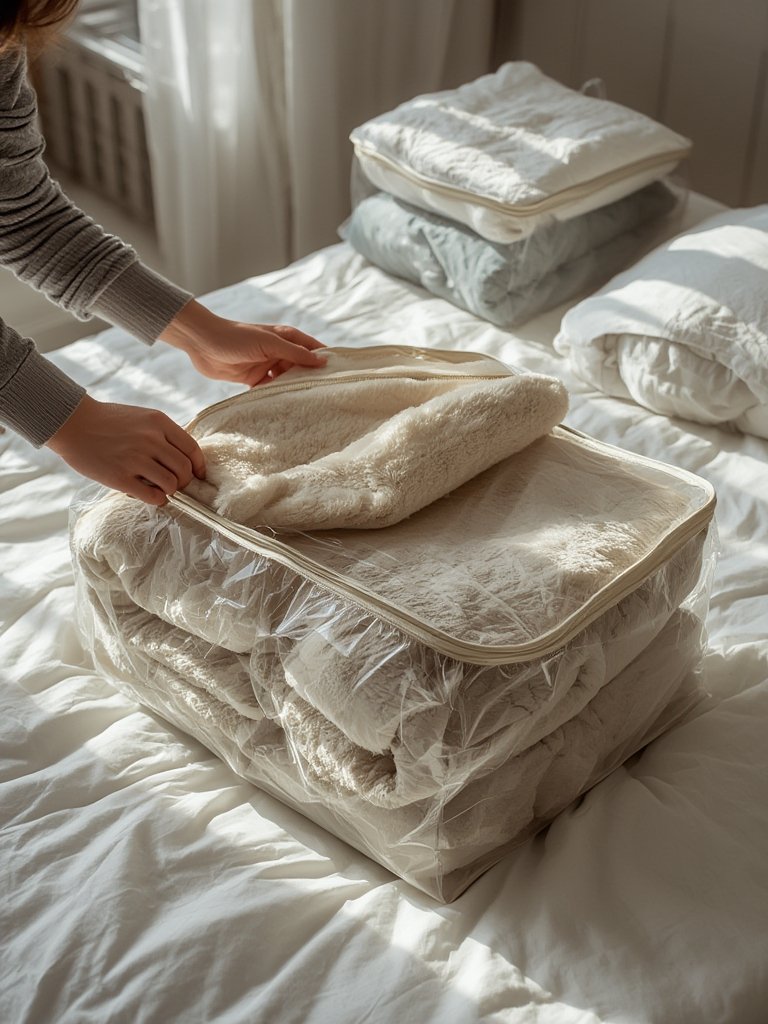
Pick between soft fabric bags for easy folding, reinforced plastic bags for waterproofing, or vacuum storage for maximum compression. For moisture-prone areas, opt for water-resistant materials like high-quality polyethylene—nonwoven fabric is breathable, great for natural fibers. - Check Closure Style & Accessibility
A good zipper is vital. Double-zip or reinforced zippers prevent snags and accidental openings. Some bags feature transparent panels or large openings for easy identification and access. Handles are important if you plan to move bags around or store them overhead. - Capacity & Dimensions Matter
Ensure your chosen bags actually fit the space. Common under bed sizes range from 39″L x 20″W x 7″H down to compact 12.2″L x 10.6″W x 4.7″H. Bigger isn’t always better—overfilling leads to splits or makes sliding the bag under the bed difficult. - Prep & Fill Bags Wisely
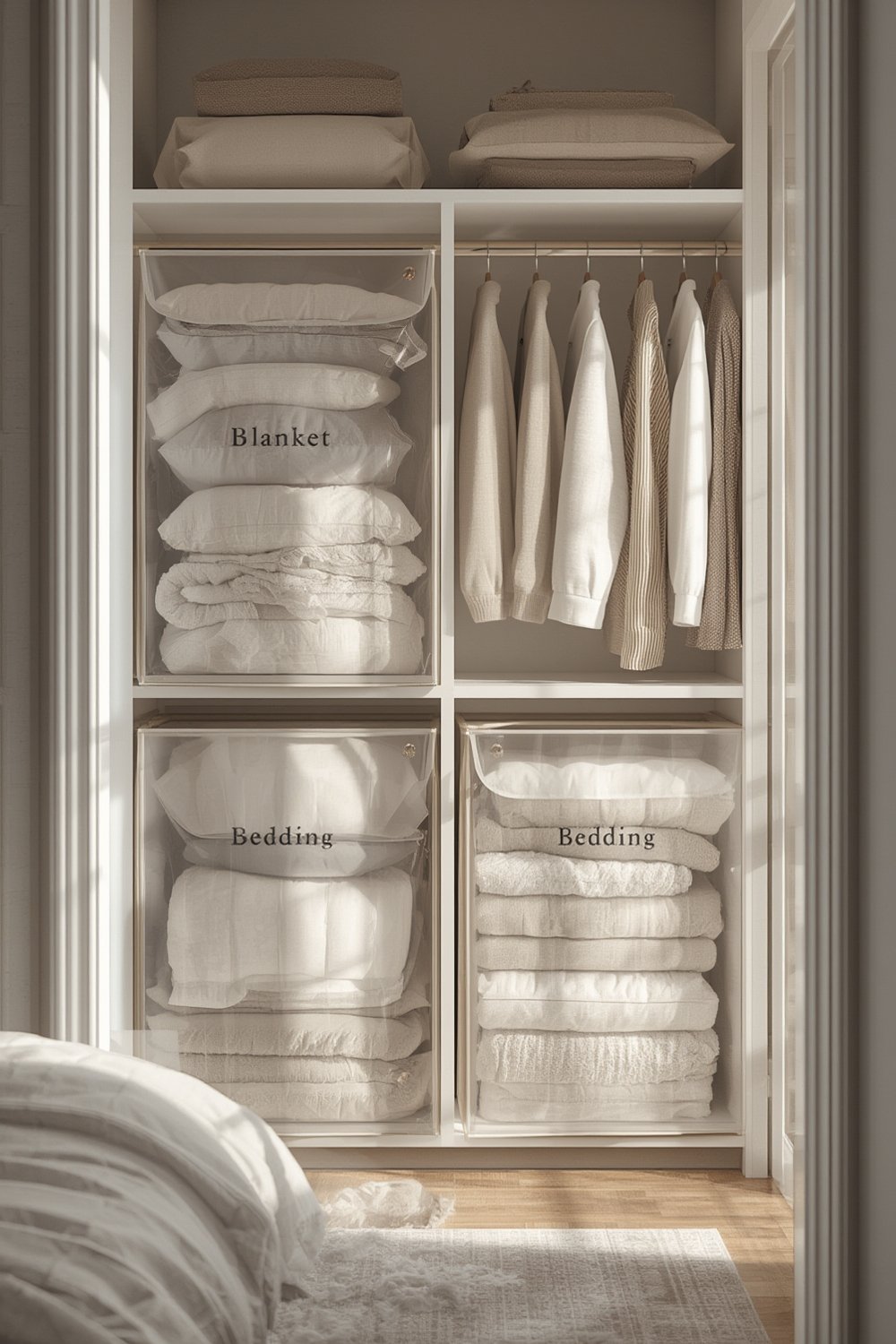
Wash and dry every item before packing to prevent musty smells and pests. For bedding and blankets, roll rather than fold, to maximize space. Don’t overpack! Leave enough slack for the zipper to close comfortably. - Label & Store Bags
Label every bag for easy retrieval. Store rarely-used items further back or under the bed, and keep seasonal must-haves closer at hand in the closet.
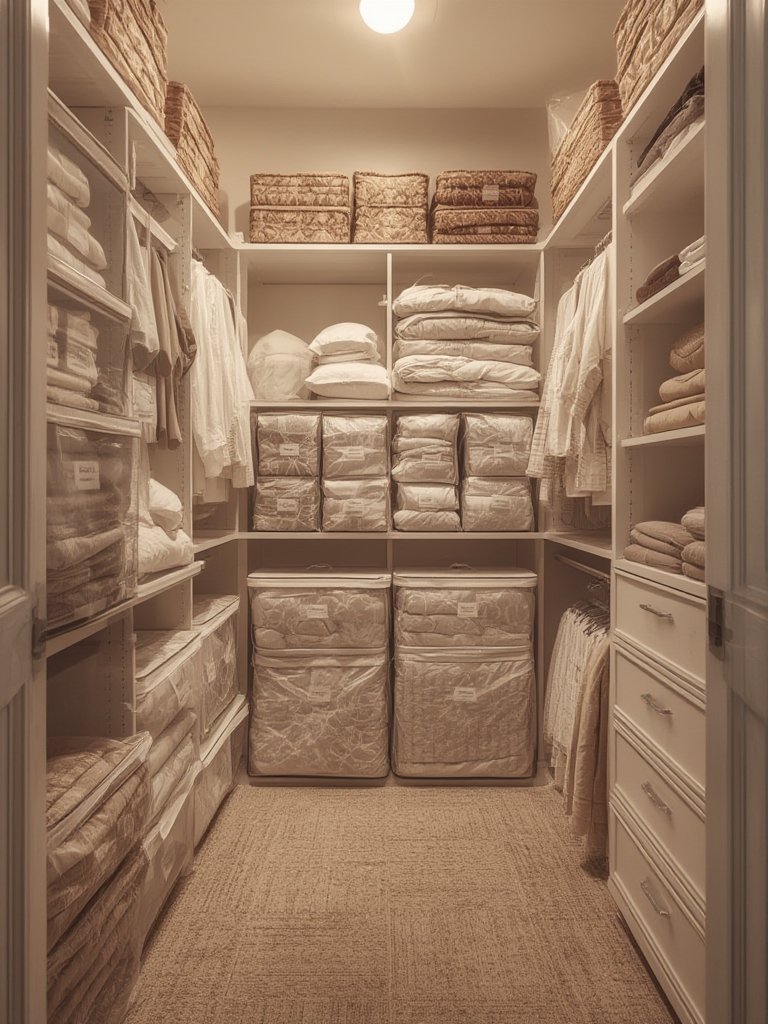
For renters or anyone looking to boost storage without permanent alterations, pairing these bags with adjustable drawer dividers, no drill shelves, or even over the door organizers can dramatically upgrade any closet—with zero wall damage or landlord issues. Modular solutions like stackable bins and closet system modular organizers also work in tandem for a fully optimized space.
Advanced Analysis & Common Pitfalls to Avoid
Despite their popularity, closet storage bags, blanket storage bags, and bedding storage bags aren’t immune to problems. Here’s what most guides miss:
- Durability Concerns: Thinner or poorly sewn bags can rip at the seams or tear at handles, especially if overloaded. Look for reinforced stitching and thick zippers.
- Sizing Pitfalls: Buying oversized bags “just in case” can make them hard to slide under beds or stack on closet shelves. Always measure your target spot first.
- Moisture & Pests: Fabric bags that lack moisture resistance may not protect against dampness, and gaps in zippers can allow insects in. For long-term storage, consider vacuum bags or at least those with a tight seal.
- Access Issues: Bags packed at the back or bottom can be impossible to reach. Group contents by access frequency and use labels or transparent panels.
- Price-Quality Gap: Not all bags sold online offer high quality for the price. For example, the current market average is around $30 for new bags, but profit margins and specs can differ widely (source). Always scrutinize photos and user reviews if available.
- Certification Confusion: Most bags in this segment are not certified for fire resistance, eco-friendliness, or hypoallergenic safety. If chemical sensitivities are a concern, reach out to brands for material details or certifications.
| Feature | Low-End Bag | Mid-Range Bag | High-End Bag |
|---|---|---|---|
| Material | Thin nonwoven fabric | Thicker polyester/plastic hybrid | Multi-layered or with waterproof lining |
| Zippers | Single plastic | Double | Heavy-duty metal, double track |
| Typical Price (2024) | $12-$22 | $24-$34 | $35-$60+ |
| Certifications | None | Occasional “Eco” claim | Rare (request from maker) |
| Use Case | Light seasonal clothes, not for heavy bedding | Bedding, blankets, off-season clothes | Sensitive items, heirlooms, or high-moisture areas |
Vacuum storage bags remain the top choice for those with severe space crunches, since they compress even bedding into a fraction of its size (source). For a practical walk-through, see our full vacuum storage bags guide.
Conclusion
As the demand for space-saving solutions grows, selecting the right closet storage bags, blanket storage bags, and bedding storage bags becomes crucial for keeping your home organized and clutter free. Match the bag to your usage and storage environment, look for quality materials, and consider combining DIY-friendly add-ons like drawer dividers, closet systems, and over-the-door organizers for the most efficient setup. Start evaluating your storage needs today—and invest in storage bags that fit your lifestyle and your space.
Ready to level up your closet? Find and use the right closet storage bags, blanket storage bags, bedding storage bags and take back your precious space now!
FAQ
What should I look for in a high-quality storage bag?
Check for strong, reinforced seams, double or heavy-duty zippers, durable fabric (like thick nonwoven or waterproof plastic), and sturdy handles. Breathable windows and clear labeling also make retrieval easier.
Are vacuum storage bags better than regular fabric storage bags?
Vacuum storage bags dramatically reduce size and protect from moisture and pests, but can wrinkle items or accidentally let in air over time. Use for off-season bedding or bulk storage, but reserve fabric bags for items you’ll frequently access.
How much do good closet or blanket storage bags cost in 2024?
Most quality soft storage bags cost $24-$34 for mid-range options, with premium bags reaching $60 or more, depending on size and material. Always review detailed specs and user feedback before buying online.
Can I wash storage bags?
Most nonwoven and plastic storage bags are wipe-clean only. Some fabric bags may be machine washable—check the manufacturer’s label. Always air-dry fully before use to prevent mildew.
How can I prevent musty smells and pests in stored bedding?
Always wash and dry items first, and add dryer sheets or cedar pouches inside bags. Use airtight closure styles if possible, and store bags in dry, well-ventilated spots.