

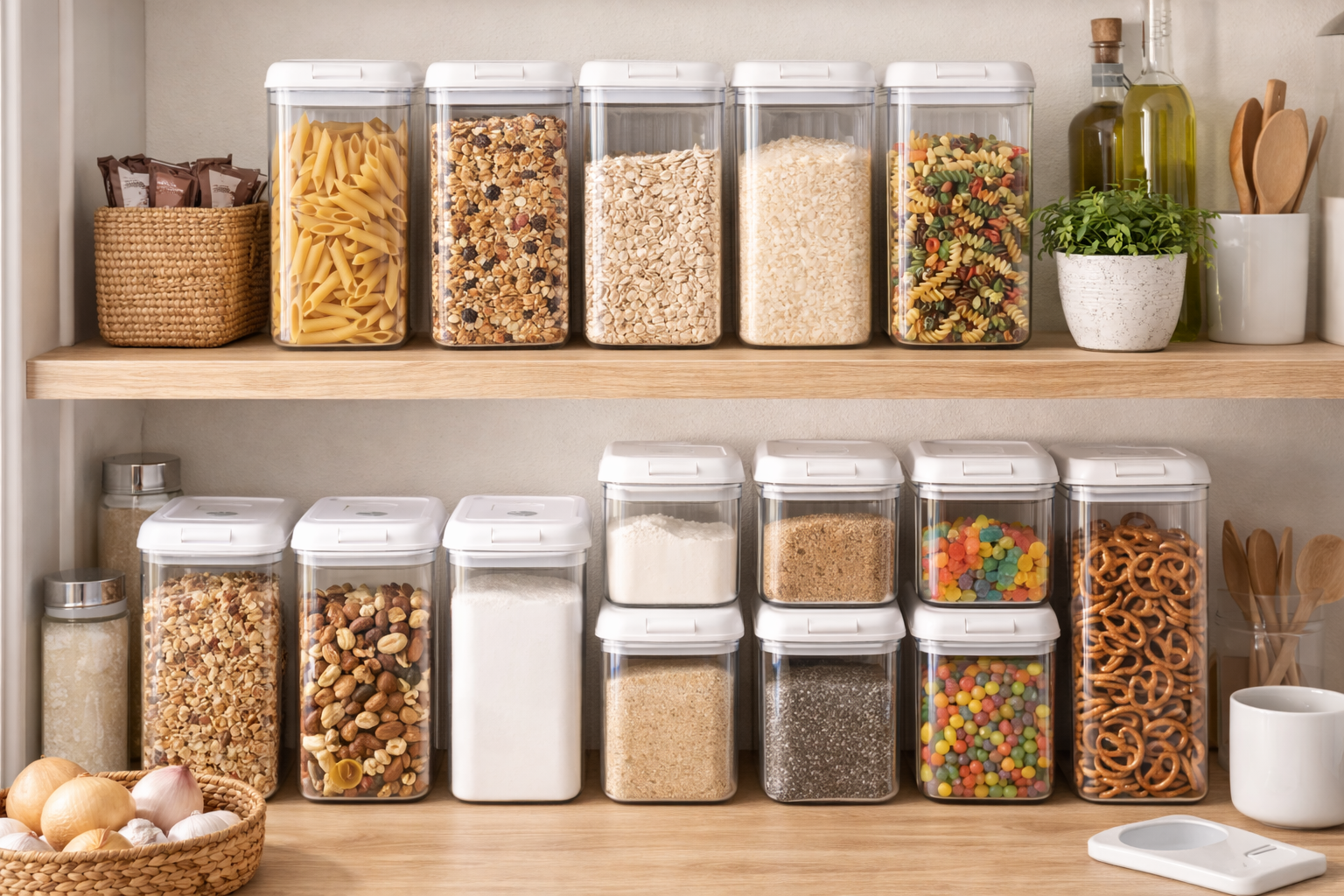
Pantry containers, airtight food storage containers, pantry storage containers are essential in any home if you want to keep food fresh, organized, and safe from pests and moisture. Whether you’re dealing with stale cereal or kitchen clutter, the right storage makes all the difference.
Key Takeaways
- Choosing the right pantry containers can prevent food spoilage and reduce kitchen waste dramatically.
- Airtight food storage containers are only as good as their sealing mechanism and material quality—many “airtight” claims don’t hold up over time.
- Modern pantry storage containers combine aesthetics, durability, and usability, but not all sets are created equal; know what to look for and what to avoid.
The Core Concept
At its heart, organizing your pantry with airtight food storage containers is about protecting your groceries, keeping your kitchen tidy, and making everything easier to find. This is more than a trend; market data shows the kitchen storage and pantry organization sector is a booming, $137 billion industry in 2024 alone.source More people are frustrated with cheap, leaky containers that fail to keep things fresh or create even more mess. Choosing the right pantry containers can genuinely impact your home’s efficiency, reduce waste, and even save money over time.
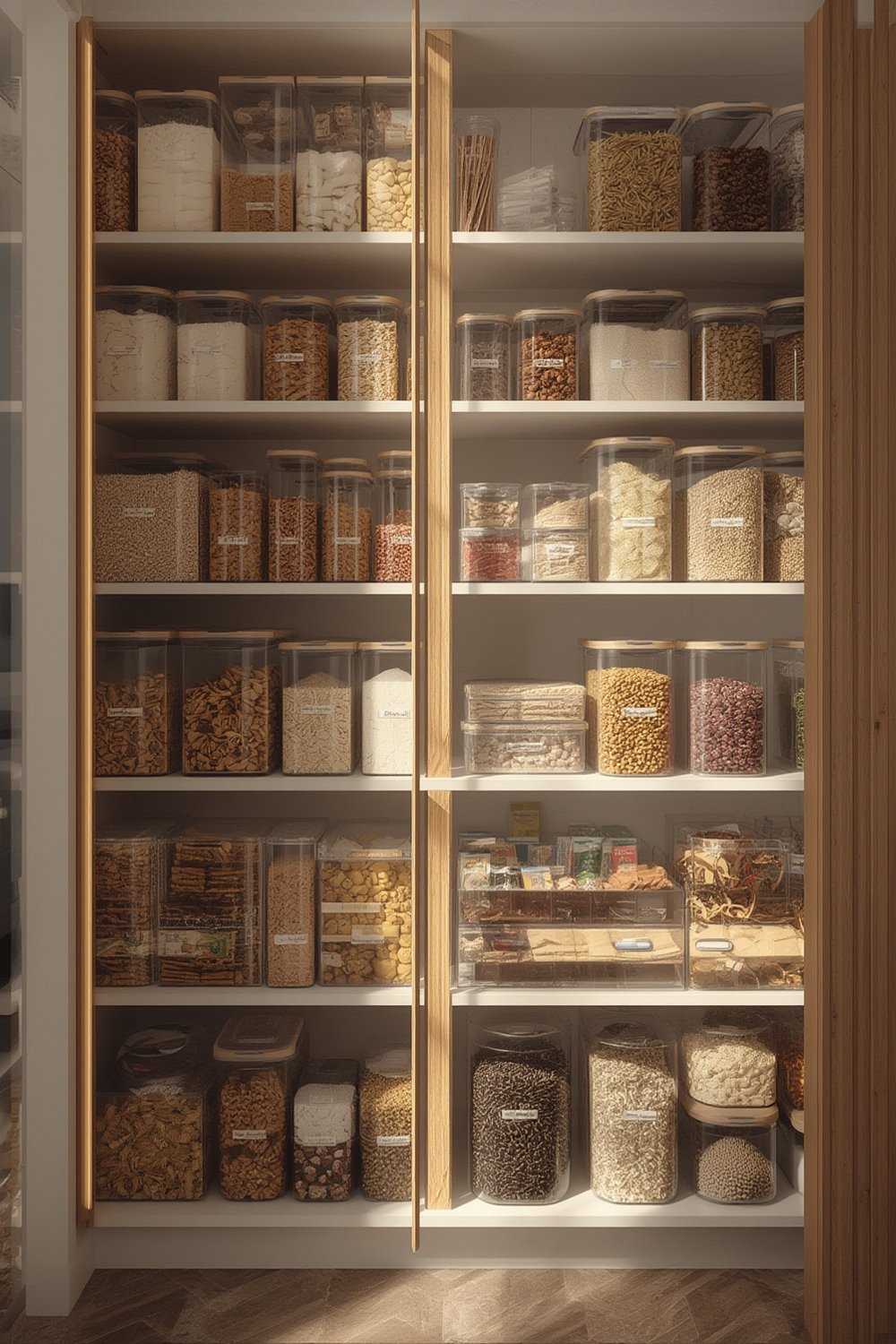
Great pantry storage containers should offer true airtight protection, simple cleaning, easy stacking, and real value for your grocery staples. Unfortunately, most generic sets found online miss the mark—leading to stale food, warped lids, and constant annoyance. Understanding the details below will help you avoid the common headaches.
Step-by-Step Guide
If you want to level up your pantry, follow these steps for choosing and using airtight food storage containers effectively:
- Assess Your Pantry Needs
- List what you store most: flour, sugar, pasta, cereal, snacks, baking ingredients, pet food.
- Note the largest quantities you typically buy—this determines your biggest container size requirements.
- Take quick measurements of shelf heights and depths before shopping.
- Pick the Right Material
- Plastic (PP or Tritan) is lighter and shatter-resistant, but beware cheap plastics prone to warping and clouding.
- Borosilicate glass is durable, scratch-resistant, and sustainable, but heavier and breakable.
- Avoid containers with strong plastic odors or no BPA/BPS-free labeling.
- Evaluate Seal Quality
- Check for genuine airtight seals: continuous silicone gasket, push-button lid, or 4-side latches.
- Avoid sets with loose-fitting lids or inconsistent closures—it’s a leading cause of stale food.
- Mix Sizes and Prioritize Modularity
- Opt for sets with large (4-6L) containers for bulk items, medium for grains, small for snacks.
- Uniform lid sizes across containers reduce clutter and simplify stacking.
- Look for straight-sided rectangular or square designs for best space efficiency.
- Label Everything Clearly
- Use included label kits, or buy vinyl labels and chalk markers for a clean look.
- Containers with built-in label plates or flat areas work best.
- Maintain and Clean Properly
- Disassemble lids and gaskets for deep cleaning—avoid mold buildup.
- Avoid high-heat drying for plastic lids to prevent warping or seal failure.
- Some containers are “dishwasher-safe” only on the top rack; check the specifics.
- Consider Cost vs. Real Usable Value
- Ignore “piece count”—look at the mix of large, medium, and small containers in any bundle.
- Calculate actual cost per quart or liter of storage versus just price per piece.
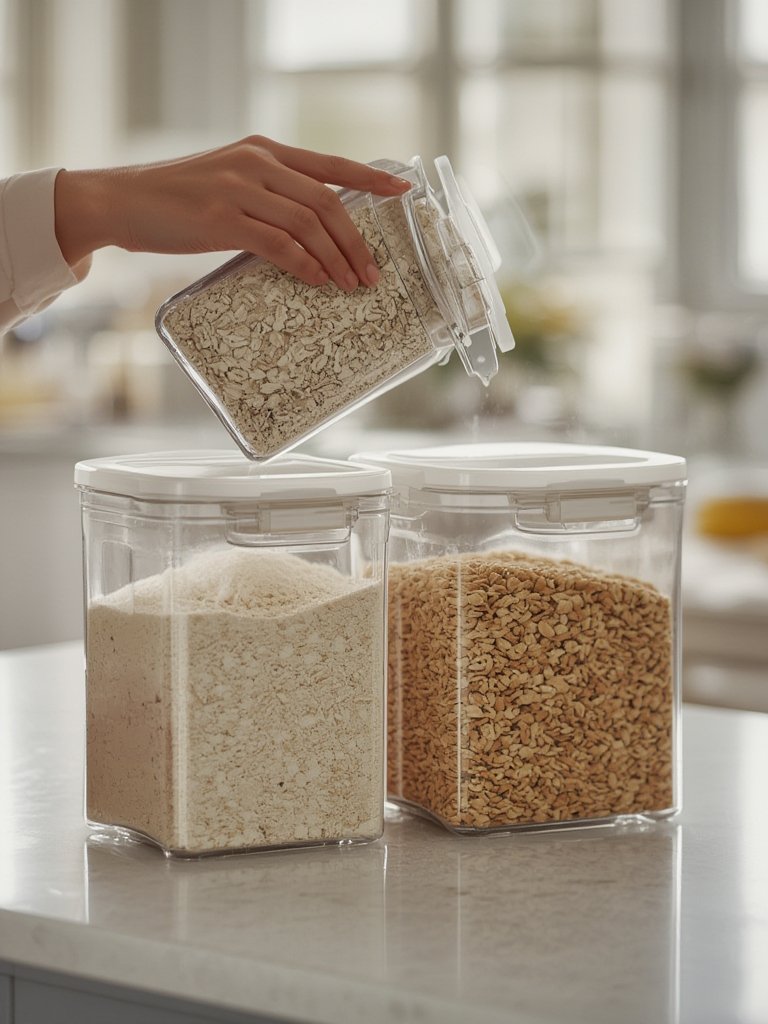
Finally, remember that the best pantry storage containers are the ones you’ll actually use, not just the ones that look great on social media. Prioritize practicality and longevity.
Advanced Analysis & Common Pitfalls
Even well-reviewed airtight food storage containers have their drawbacks. Here are the biggest pitfalls—plus how to avoid them:
Common Problems with Pantry Containers
- Lids lose airtightness over time, especially after dishwasher cycles or due to stretched gaskets.
- Poor stacking leads to dangerous spills. Lack of interlocking lids causes instability.
- Capacity claims are misleading: Popular “cereal containers” rarely fit a full large cereal box (14-18 oz). Always check both liters and actual food packaging size.
- Stains, odors, and clouding in lower-end plastics show up quickly. Spices like turmeric and tomato sauce are notorious for causing permanent marks.
- Broken latches and warped lids cause frustration and wasted money. Complex seals often fail first.
- Set composition: Many value packs include too many tiny snack containers and not enough bulk sizes for staples.
Head-to-Head Comparison Table: Plastic vs. Glass Pantry Storage Containers
| Feature | Plastic Pantry Containers | Glass Pantry Containers |
|---|---|---|
| Weight | Very light, easy to handle | Heavier; may be harder to reach high shelves |
| Durability | Prone to scratching, warping, some cracking | Highly scratch-resistant; can shatter if dropped |
| Airtightness | Depends on seal; often degrades over time | Excellent if lid design is strong |
| Odor & Stain Resistance | May retain odors, stain from spices | Superior resistance to odors and stains |
| Visibility | Crystal-clear if new, may cloud with age | Clear, long-term clarity |
| Dishwasher Safety | Varies; lids often top-rack only | Bases fully dishwasher safe; lids may need hand-washing |
| Cost | Low to mid; sets range $20-$120 | Mid to high; sets often $30-$80+ |
| Sustainability | BPA/BPS-free if quality, but longevity issues | Sustainable, recyclable, no chemical leaching |
| Style Trends | Modular stacking, clear plastic, label-ready | bamboo lids, minimalist, perfect for display |
For an in-depth breakdown of trending styles and how they impact storage efficiency, this pantry makeover trends guide covers design strategies from top organization experts.
Want more facts? Discover current market trends here and compare the fastest-growing segments in the global and US market here. For a broader look at sustainability and innovation, see the Grand View Research Report on kitchen storage.
Conclusion
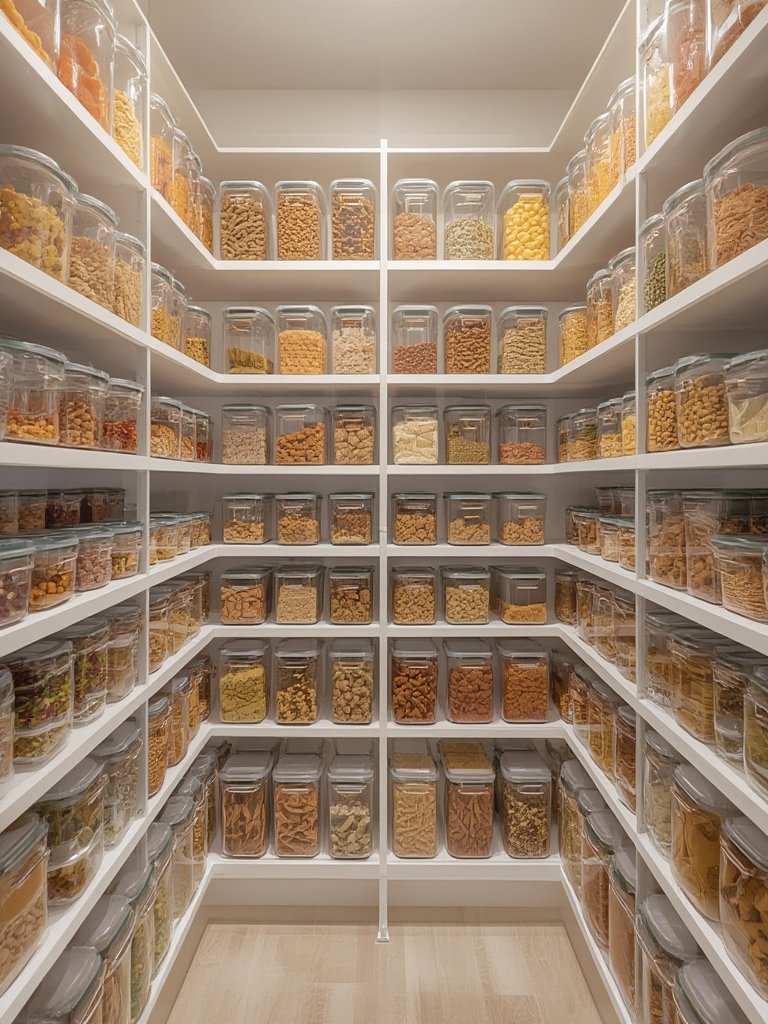
The right pantry containers, airtight food storage containers, pantry storage containers make organization sustainable and food preservation far more reliable. Prioritize true airtight seals, modular stacking, and easy-to-clean materials. Avoid too-good-to-be-true mega sets heavy on tiny, impractical sizes. With awareness of the common pitfalls, you’ll spend less time battling stale cereal and more time enjoying a tidy, efficient kitchen. Ready to give your pantry a serious upgrade? Shop thoughtfully, and start transforming your kitchen storage today.
FAQ
What type of pantry container offers the best airtight seal?
Look for containers with a silicone gasket and a reliable locking mechanism, such as a push-button lid (like OXO POP), or 4-side latches. The quality of the gasket and fit matter just as much as the design.
Are glass or plastic pantry containers better?
Glass containers resist odors and stains and are more sustainable, but are heavier and can break. High-quality plastic containers are lighter and less breakable but can scratch and cloud over time. Choose based on your priorities.
How do I clean airtight food storage containers?
Disassemble lids, remove silicone gaskets if possible, and wash each part. Avoid high-heat dishwasher cycles for plastic lids. Deep-clean gaskets to prevent mold and trapped food residue.
Why don’t some cereal containers fit a whole box?
Many containers list their capacity in liters, but don’t account for the bulk or shape of packaged cereal. Always compare the container’s volume (in quarts or liters) to the weight and actual size of your cereal box before buying.
What are the top brands for pantry storage containers?
Leading brands include OXO, Rubbermaid, Pyrex, Tupperware, Sistema, and Cambro. Each has its strengths—OXO for push-button seals, Pyrex for glass, and Rubbermaid for affordable modular sets.
—