

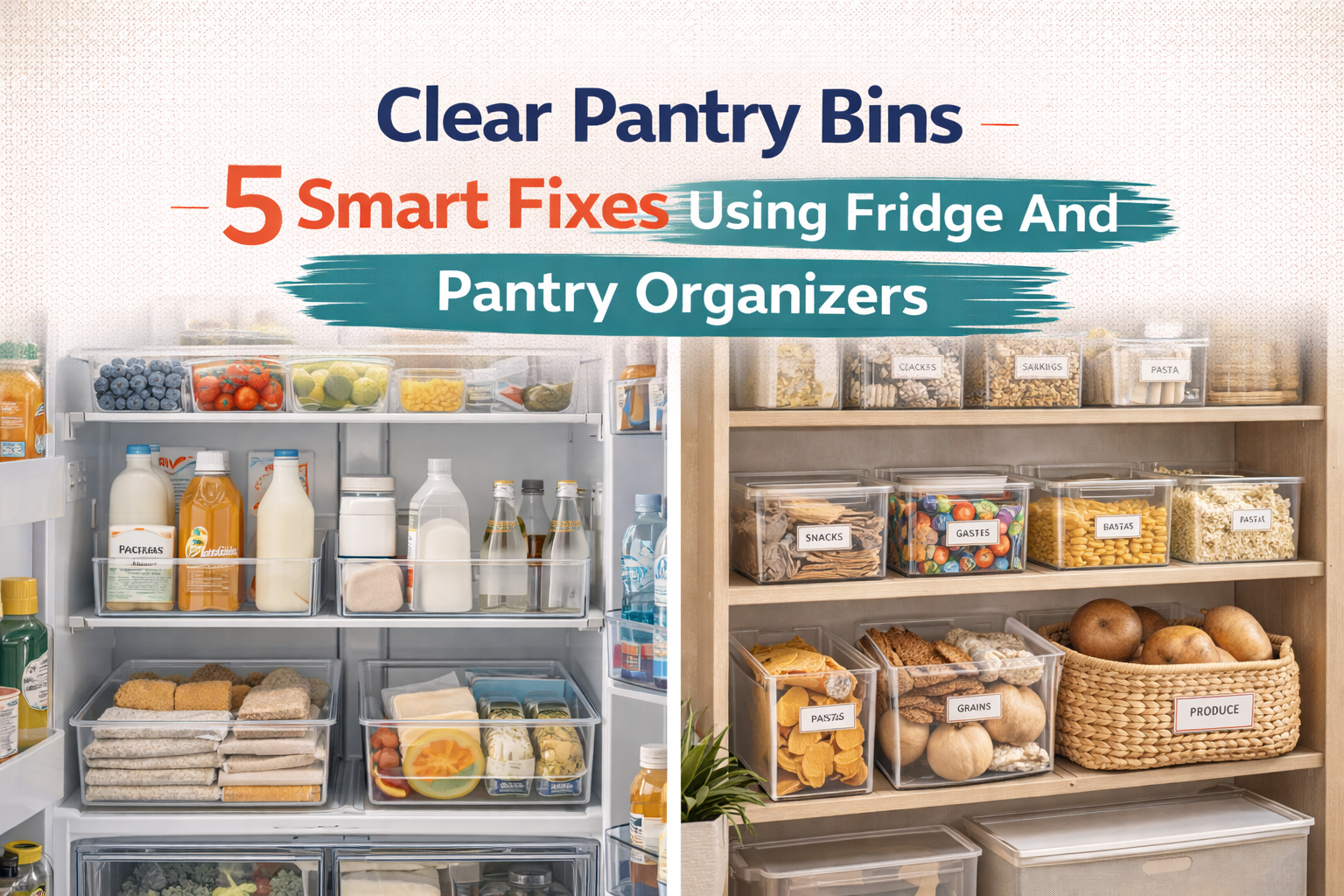
clear pantry bins, fridge organizers, pantry bins are some of the most effective solutions for cutting kitchen clutter, making food prep easier, and keeping ingredient waste down. If you want a kitchen where nothing gets lost and expired, understanding the practical pros, common pitfalls, and real innovations behind these see-through organizers is essential—before you buy another set that looks good on TikTok but disappoints in your actual fridge or pantry.
Key Takeaways
- Clear pantry bins and fridge organizers are trending for visibility and space efficiency, but not all products solve real-world pain points.
- No market data proves these bins directly reduce food waste or save meal prep time; most benefits are qualitative.
- To avoid disappointment, focus on BPA-free materials, stackable designs, and easy maintenance—but know the common downsides.
- What Are Clear Pantry Bins, Fridge Organizers, and Why Use Them?
- How to Organize Your Pantry and Fridge with Clear Bins: Step-by-Step
- Advanced Analysis: Pitfalls, Problems, and Comparison Table
- Conclusion: Should You Invest in Clear Pantry Bins and Fridge Organizers?
- FAQ: Clear Pantry Bins, Fridge Organizers, Pantry Bins
What Are Clear Pantry Bins, Fridge Organizers, and Why Use Them?
Clear pantry bins and clear fridge organizers are see-through storage containers designed to corral food, supplies, and ingredients in kitchen pantries and refrigerators. Unlike opaque bins, clear containers let you instantly identify what’s inside—helping you do fast inventory checks, reduce duplicate purchases, and catch forgotten items before they spoil.
Market research shows the kitchen storage and pantry organization market is expected to reach USD 182.08 billion by 2030, up from USD 131.43 billion in 2023, with clear and stackable products among the top trends. Home cooks and busy families love these solutions because they make bulk buying, meal prepping, and family snack zones much easier to manage.
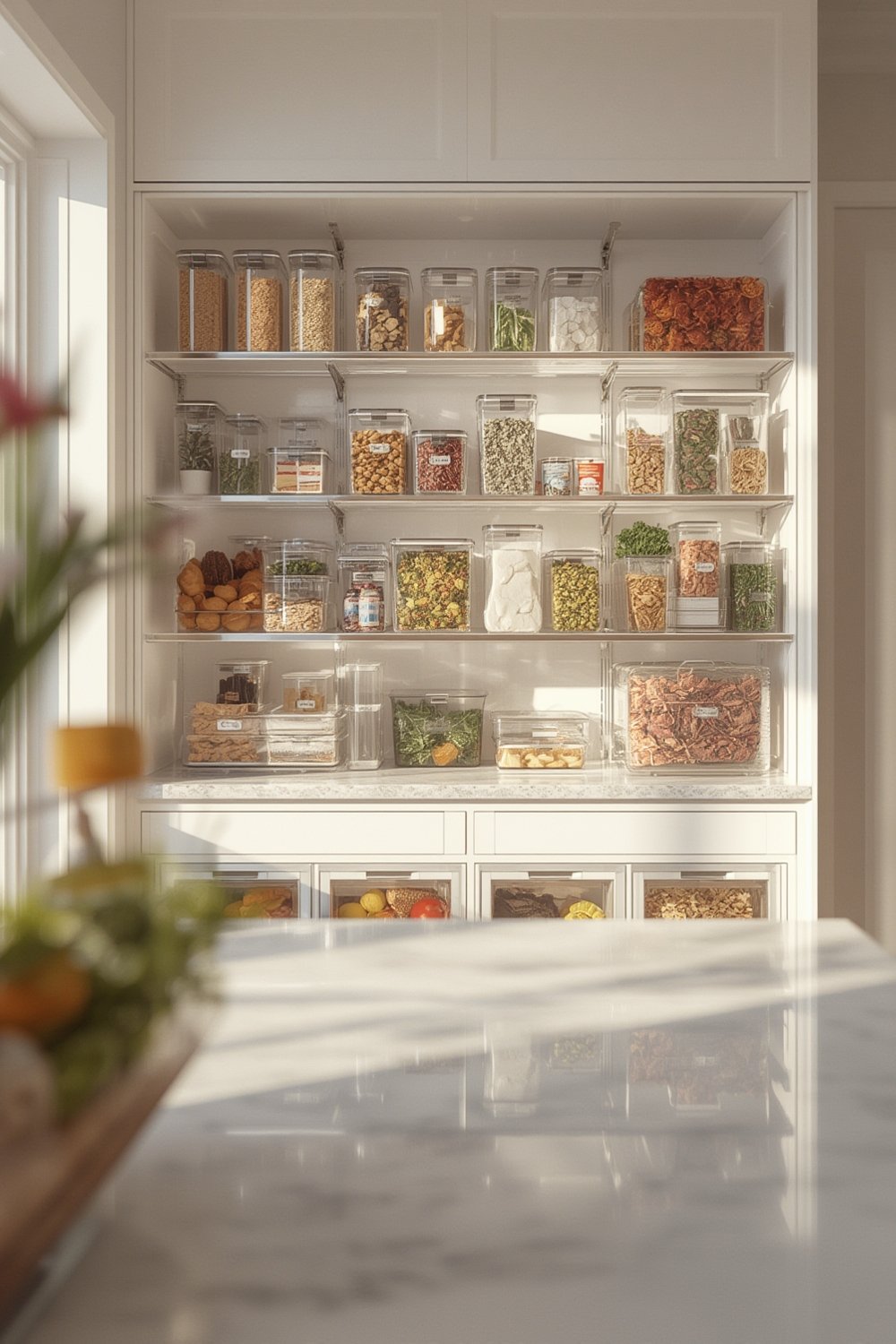
Features to look for include modular (stackable) geometries, vented lids to reduce condensation in the refrigerator, and adjustable dividers for custom fit. Popular brands include OXO, The Container Store, IKEA, and Rubbermaid—and new innovations like the IKEA KLIPPKAKTUS under-shelf fridge organizer are leading the way on space efficiency at wallet-friendly pricing.
For renters and those struggling with small kitchens, clear bins often pair well with space-maximizers like drawer dividers or under-sink organizers. Unlike old-school opaque containers, these new options help you see every last carrot or snack bar before it gets lost and goes to waste.
Still, while online reviews rave about the obvious visual benefits, most research and even manufacturer reports do not offer numbers on how much food waste or time is saved over traditional bins. Knowing this can help you set realistic expectations—and avoid overpaying for trends that may not work for your exact storage habits.
How to Organize Your Pantry and Fridge with Clear Bins: Step-by-Step
- Assess your space and inventory.
- Empty pantry/fridge shelves. Sort all food by category: grains, snacks, cans, produce, fridge condiments.
- Measure shelf and drawer heights, depths, and widths. This prevents buying bins that do not fit.
- Choose the right clear pantry bins, fridge organizers, pantry bins for your needs.
- Pick BPA-free and food-grade plastic or explore glass bins for more inert, stain-resistant storage (see industry trends here).
- Want to maximize vertical space? Get stackable sets—with or without lids, depending on use.
- Adjustable dividers work brilliantly if you store both large and small items together.
- Wash and prep all bins before use.
- Even “dishwasher-safe” bins benefit from a first hand-wash to remove residues from manufacturing.
- Double-check for rough edges or cracks on cheaper sets; return any defective units immediately.
- Categorize and fill each bin by item type.
- Examples: “grains/rice”, “snack bars”, “condiments”, “veggies”.
- Label each bin’s front with a clear sticker or pantry label for instant identification.
- Set up bins in most-used zones.
- Place kid snacks at eye level, less-used baking supplies up high, and group like with like for faster meal prep.
- Consider fridge-specific bins with handles for produce drawers, deli items, and dairy—like the under-shelf fridge organizer that slides under the shelf to unlock new storage spots.
- Mix clear bins with other kitchen organization tools such as stackable bins and over the door organizers for full modular control.
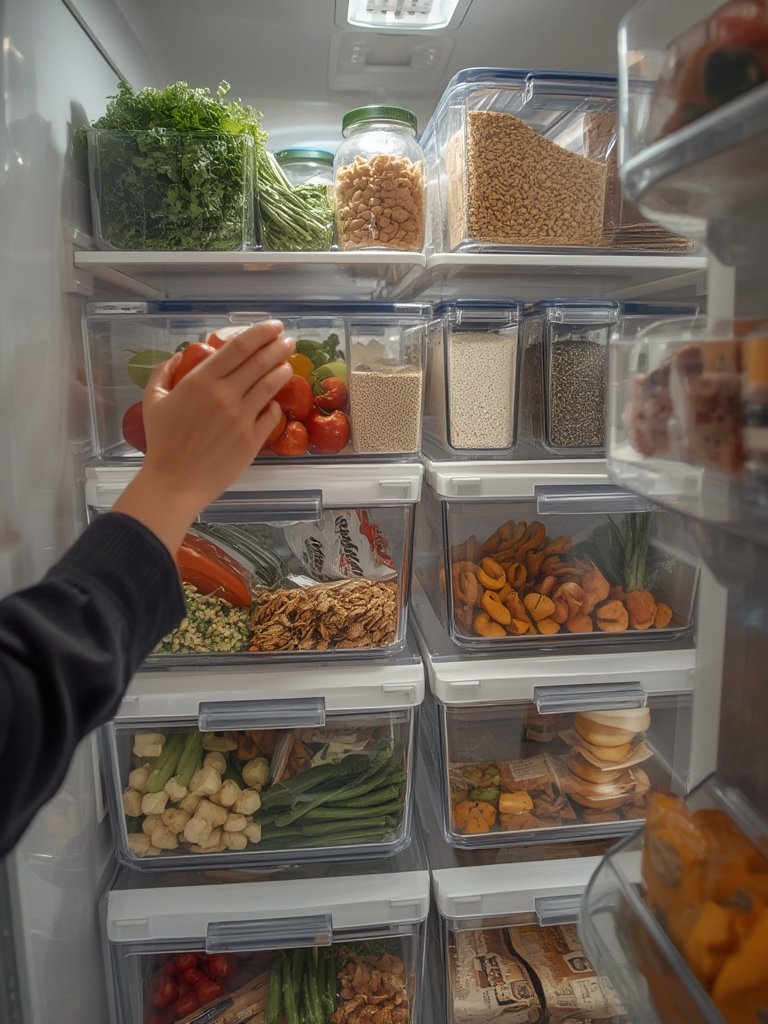
- Maintain and clean bins as part of your routine.
- Wipe bins weekly to remove crumbs, spills, or sticky residue—a clear bin is only useful if you can actually see through it!
- Avoid harsh abrasives on acrylic bins, which scratch easily.
- If stains or odors linger, soak with baking soda and warm water before scrubbing.
- Quickly review bin contents before grocery runs.
- Snap a photo on your phone’s camera for instant access while shopping.
Advanced Analysis: Pitfalls, Problems, and Comparison Table
Before investing in any clear pantry or fridge organizer set, it’s crucial to know what real users and product research reveal about these storage tools. While their benefits are clear (pun intended), the market glosses over certain downsides and realistic issues buyers encounter.
Common Pitfalls and Unmet Expectations
- No guaranteed food waste reduction or time savings: There is no hard data proving clear bins cut waste or prep time compared to opaque/skipped organization (see market report).
- Staining and odor retention: Tomato sauces and curries easily stain some plastics. Not all “dishwasher-safe” bins hold up to high-heat cycles.
- Cracking, warping, or fogging: Low-cost clear bins may crack or fog over time, killing their main selling point.
- Off-gassing risks in unknown plastics: Always choose BPA-free labeled bins to avoid potential chemical migration, especially with hot or acidic foods.
- Acrylic vs. glass trade-offs: Glass bins do not stain or harbor smells and are oven/freezer-safe, but weigh more and cost extra.
- Bins become clutter traps: If you don’t actually maintain the system, clear bins hide old food just as well as opaque ones.
Comparison Table: Clear Bins vs. Opaque/Traditional Bins
| Feature | Clear Pantry Bins, Fridge Organizers | Opaque/Traditional Bins |
|---|---|---|
| Visibility | Instant / full contents can be seen | Hidden, requires opening bins to check |
| Organization | Strong visual zone creation, easy grouping | Prone to lost/forgotten items |
| Food Waste Reduction | Anecdotal improvement, no quantified proof | Often leads to duplicate buying, food spoilage |
| Material Risks | BPA-free plastics, risk of staining/off-gassing if low quality; glass options best for safety | Same risks—less visual inventory to catch spoiled food quickly |
| Cost | Mid range ($5-6/IKEA set) to higher for top brands | Lower for basic bins, but less functional |
Innovations to Watch
The latest products focus on maximizing every inch of space—like the IKEA KLIPPKAKTUS under-shelf fridge organizer that hangs below shelves, creating new “hidden” zones. Stackable bins, adjustable dividers, vented lids, and modular bins designed for narrow shelves are changing the way pantries and fridges are arranged.
Want more ideas for making every inch of storage count? Check out our guides for vacuum storage bags or go vertical with command hooks.
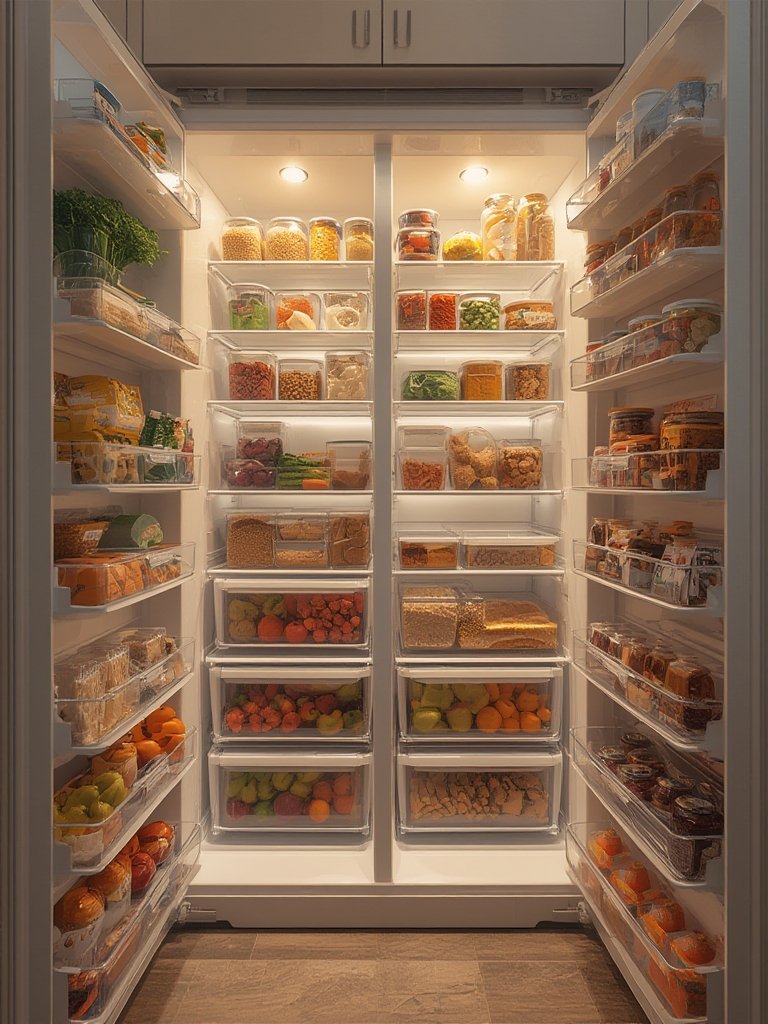
Conclusion: Should You Invest in Clear Pantry Bins and Fridge Organizers?
Clear pantry bins, fridge organizers, pantry bins offer powerful visibility and organization for modern kitchens, but they’re not a magic bullet for meal prep or waste reduction—most evidence is anecdotal, not scientific. To get real value, buy only BPA-free or glass options, use stackable, modular designs, and maintain your system regularly.
Ready to transform your food storage for less stress and more order? Start by measuring your shelves, browsing trusted brands, and combining clear pantry bins with other smart storage solutions. Don’t wait for the mess to return—your next meal (and your sanity) will thank you.
FAQ: Clear Pantry Bins, Fridge Organizers, Pantry Bins
Are clear pantry bins and fridge organizers really worth the investment?
They’re effective for visibility and quick inventory checks, especially for bulk buyers or families. If you often forget or lose track of what’s in your pantry or fridge, clear bins can reduce that chaos. However, no current research proves they save significant time or guarantee less food waste compared to traditional options.
Will clear plastic bins stain or hold odors over time?
Some lower-quality plastics may stain from sauces or strong spices, and can trap odors unless cleaned regularly. Glass bins resist this, but are heavier. Using baking soda soaks and prompt washing helps prevent most issues.
What materials are safest for long-term food storage?
Look for BPA-free plastics or use glass. Glass is inert and doesn’t leach chemicals, making it safest, but it’s more prone to breaking. Always wash new bins before use and avoid using damaged containers.
Is it safe to put clear pantry bins in the dishwasher?
Some clear bins are labeled dishwasher-safe, but frequent high-heat cycles may cause clouding or cracking over time—especially for acrylic bins. Hand washing is gentler and extends bin clarity and lifespan.
How do I stop clear bins from becoming new clutter zones?
Label every bin, keep similar items together, and commit to a weekly check and wipe-down. Combining clear bins with pantry labels and a simple organizing routine prevents new messes from forming.