

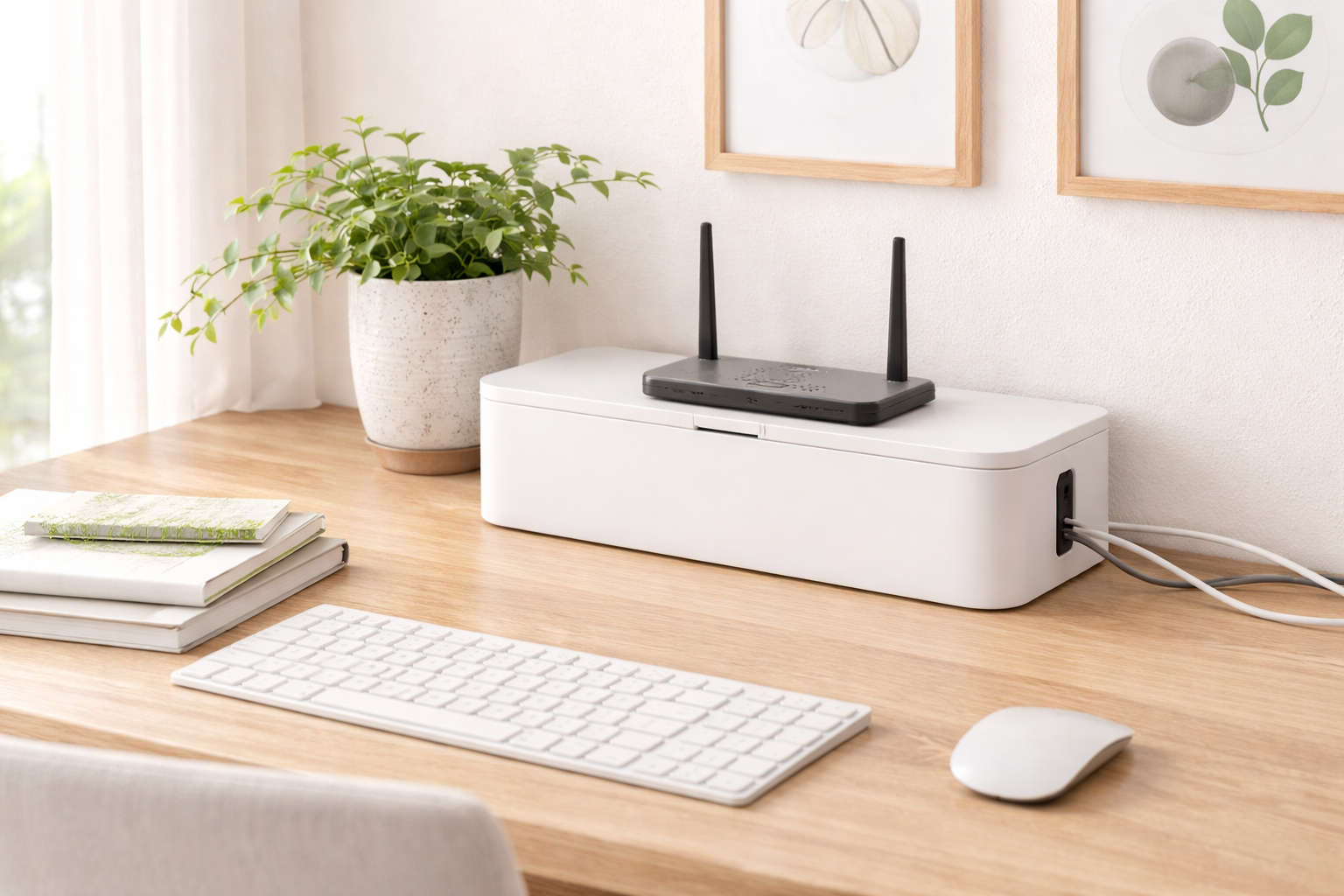
cord organizer,cable management,cable organizer box solutions have become essential for anyone aiming to control cable clutter in home offices and living spaces. Whether you’re tired of tripping over chargers or frustrated by tangled cords, taking control of your cables is critical for both organization and safety.
Key Takeaways
- Effective cable management improves safety, eases maintenance, and enhances workspace aesthetics.
- Cable organizer boxes are widely available, but choosing the right one requires understanding materials, features, and pitfalls.
- Premium options offer better durability and design, while budget organizers can still solve most basic problems.
- The Core Concept: Why Cable Organizers Matter
- Step-by-Step Guide: Organize Your Cables Like a Pro
- Advanced Analysis & Common Pitfalls
- Conclusion
- FAQ
The Core Concept: Why Cable Organizers Matter
Messy cables are more than an eyesore—they lead to safety hazards, troubleshooting headaches, and lost productivity. Cord organizers, cable organizer boxes, and other cable management tools are engineered not just to hide wires but to improve airflow, simplify cleaning, and prevent electrical hazards.

The cable management market is huge: the cable organizer box clear market reached USD 1.12 billion in 2024, and the broader cable management accessories market reached USD 3.10 billion. With so many options, picking the right cable organizer box can make all the difference in how efficiently you use your space and keep everything running smoothly.
If you’re in a rental or working with limited space, many cord organizers and boxes now offer renter-friendly solutions that don’t require drilling holes or permanent installations. See our guide on no drill shelves and removable storage options for more on non-damaging, flexible storage.
Step-by-Step Guide: Organize Your Cables Like a Pro
Ready to conquer cable chaos? Here’s a detailed plan you can follow—no technical skills required.
- Assess your space. Locate every visible cord under your desk, along baseboards, and behind TVs or appliances. Snap a quick photo so you can compare before and after results.
- Unplug and detangle. Remove devices one by one. Detangle cables and group them by device or function (charging, audio, networking, etc).
- Decide on your organizer box type. For most home offices, a plastic or bamboo cable organizer box is ideal. Make sure it has ventilation slots to prevent overheating and is large enough to hold your surge protector or power strip.
Looking for budget solutions? See if pull-out bins or stackable boxes can be repurposed for under-desk cable storage. - Bundle and secure cords. Use reusable velcro ties or cable clips to keep cords neatly together. If needed, run cables along walls using adhesive-backed cable channels. Avoid zip ties; they’re strong but tricky to undo.
- Place the bundle in your cable organizer box. Feed the cables through the side openings and keep the power strip inside for maximum tidiness. Make sure there’s enough room for plugs and adapters without bending the wires.
- Label both ends of each cable. This makes troubleshooting and device swaps painless.
- Maintain monthly. Dust out the cable box, unplug and check for frayed cords, and reorganize if you add new electronics.
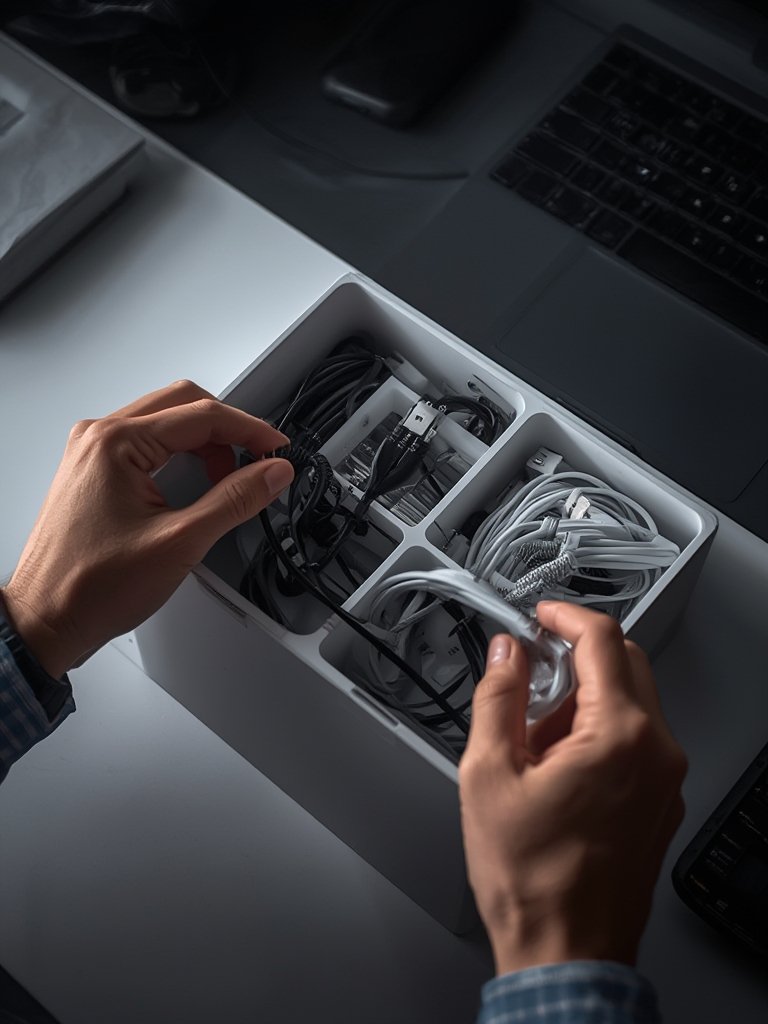
Take your setup a step further by hiding excess length inside drawers. Modular drawer dividers or over the door organizers can help you keep chargers and adapters easy to find without getting tangled with other devices. If you’re organizing a shared home office or living room, label cables clearly to prevent disputes over device ownership.
Advanced Analysis & Common Pitfalls
Even with a quality cord organizer or cable management system, problems can crop up. Here’s what to watch for based on current research and market data:
Common Pitfalls
- Overcrowding: Standard cable organizer boxes may be too small for oversized plugs or multi-port adapters. Always check interior dimensions before buying.
- Poor ventilation: Cheap boxes without air slots may lead to overheating if used for large surge protectors. Opt for organizer boxes with ventilation or perforated lids.
- Fragile materials: Budget cable boxes using thin plastic may crack, especially if stepped on under desks. Consider reinforced plastic or bamboo for longer life.
- No labeling system: Cords packed into boxes without labels lead to confusion, accidental unplugs, or device damage. Always label your wires.
- Accessibility issues: Complex setups can make quick unplugging difficult, which is a problem during emergencies. Keep essential plugs easy to reach or use magnetic storage or easily accessible shelves for devices needing frequent access.
Premium vs. Budget Cable Organizer Boxes
| Feature | Premium Organizer Box | Budget Organizer Box |
|---|---|---|
| Material | Bamboo, reinforced plastic, or steel | Thin plastic or basic polymer |
| Ventilation | Slotted or perforated design | Solid box, minimal airflow |
| Cable Openings | Flexible, rubberized grommets | Simple cut-outs |
| Extras | Integrated cable guides, labeling tags, anti-slip feet | None or basic anti-slip pads |
| Price (2024) | $20–$60 USD | $7–$20 USD |
| Best use | Long-term, high-traffic areas; aesthetics matter | Temporary setups, low-visibility areas |
For a more sustainable option, look for recyclable or reusable organizer boxes and minimize single-use plastics wherever possible. This is not yet a big market trend, but it’s catching on with eco-conscious buyers.
Market data shows open cable trays are inexpensive, allow for easy access, and are used professionally for maintenance efficiency (source), but at home, closed boxes are best for appearance, kid safety, and dust control.
Conclusion
Organizing your cables with the right cord organizer, cable management, and cable organizer box can clear clutter, boost safety, and simplify your daily routine. Carefully assessing your space, labeling cables, and selecting a durable organizer box will deliver the best results. If you want even more small space efficiency, check out options like pantry containers for flexible storage or vacuum storage bags to supplement your organizational setup.
Get started today and experience how a well-chosen cord organizer,cable management,cable organizer box can restore order and peace of mind to any room. Ready for a clutter-free workspace? Make your move now!
FAQ
How do I choose the best cable organizer box for my setup?
Look for boxes with sturdy material (like bamboo or reinforced plastic), roomy interiors for big adapters, and ventilation slots. Measure your surge protector before buying.
Are cable organizer boxes safe for power strips?
Yes, as long as there’s enough airflow and you don’t overload the power strip. Always check for manufacturer heat warnings. Never force oversized plugs into tight spaces.
What’s the easiest way to label cables?
Use sticker labels, bread bag tags, or washi tape at both ends of each cable. For best results, color code by device type.
Can I install cable organizers in a rental?
Yes. Look for organizer boxes or adhesive cable channels that don’t require drilling. You can also use tension rod shelves or over the door organizers for extra flexibility.
How often should I reorganize my cables?
Review and tidy your cable setup monthly—especially after adding new devices. Dust and unplug occasionally to extend cable life.