

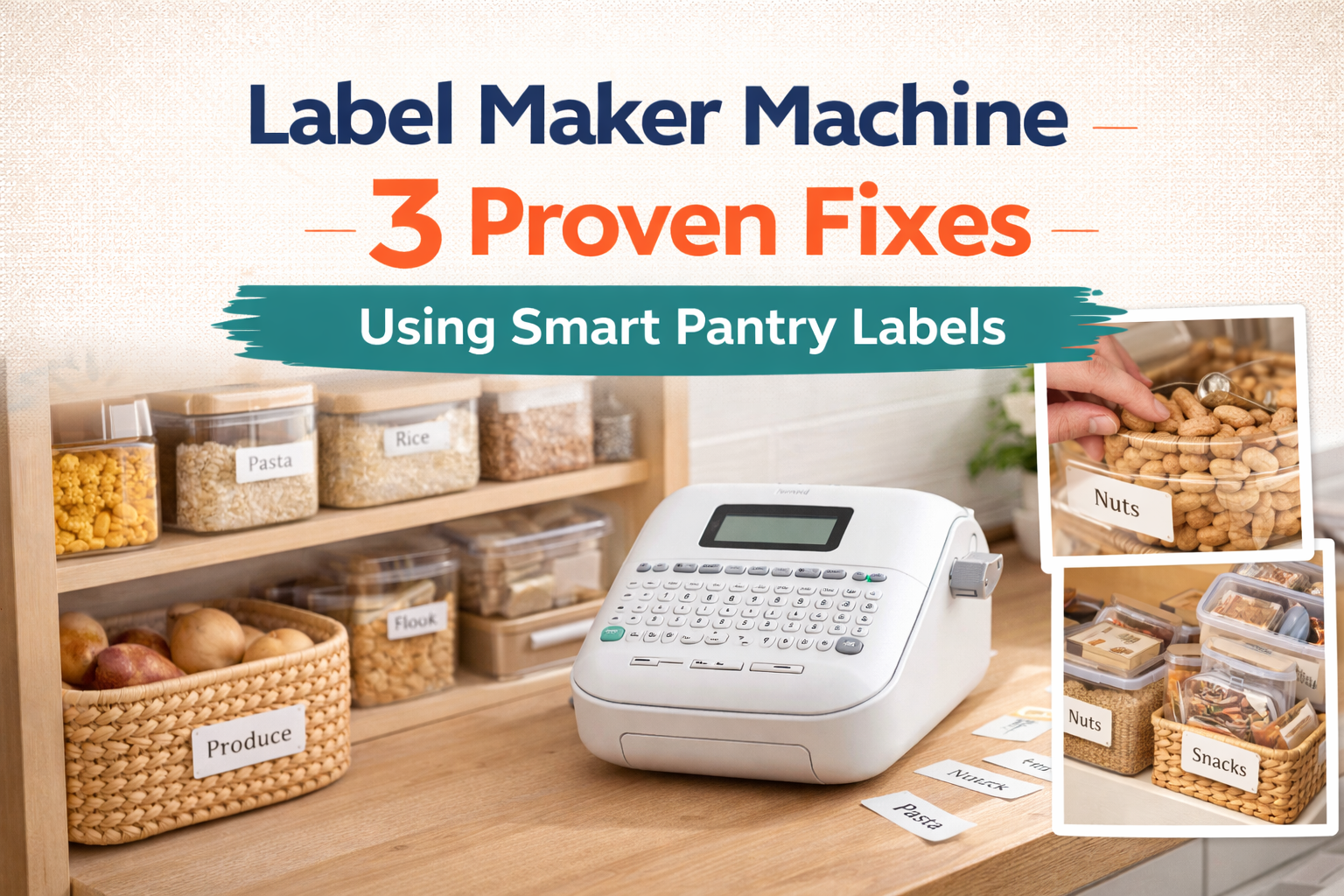
label maker,pantry labels,label maker machine—these tools are transforming how people bring order to their kitchens, closets, and storage bins. Whether you’re tired of rummaging for sugar or need a clearer organization system, label makers and pantry labels are a low-lift, high-impact solution. But choosing the right label maker machine for your needs isn’t always straightforward. Here’s what matters, the pitfalls, and some real-world strategies that go beyond the typical advice.
Key Takeaways
- Pantry labels and label maker machines can simplify home organization, but buyer frustration is common due to lack of clear guidance and product info.
- No standout certifications exist for waterproof home labels, and spec comparisons remain unclear—consumers should do hands-on testing if possible.
- DIY organization with label makers is trending, but proven, actionable labeling systems matter more than jumping on influencer bandwagons.
- What Are Label Maker, Pantry Labels, and Label Maker Machines? The Core Concept
- Step-by-Step Guide: How to Use a Label Maker for Pantry and Storage Labels
- Advanced Analysis & Common Pitfalls: What Most Blogs Don’t Tell You
- Conclusion: Should You Use a Label Maker for Home Organization?
- FAQ
What Are Label Maker, Pantry Labels, and Label Maker Machines? The Core Concept
Label maker machines are compact devices that print adhesive labels for everything from kitchen bins to office supplies. Pantry labels refer specifically to those used on jars, cupboards, and canisters to identify food items, snacks, or cleaning supplies. Tidy pantries and storage bins can reduce stress in daily routines, cut down on food waste, and streamline everything from meal prep to shopping lists.
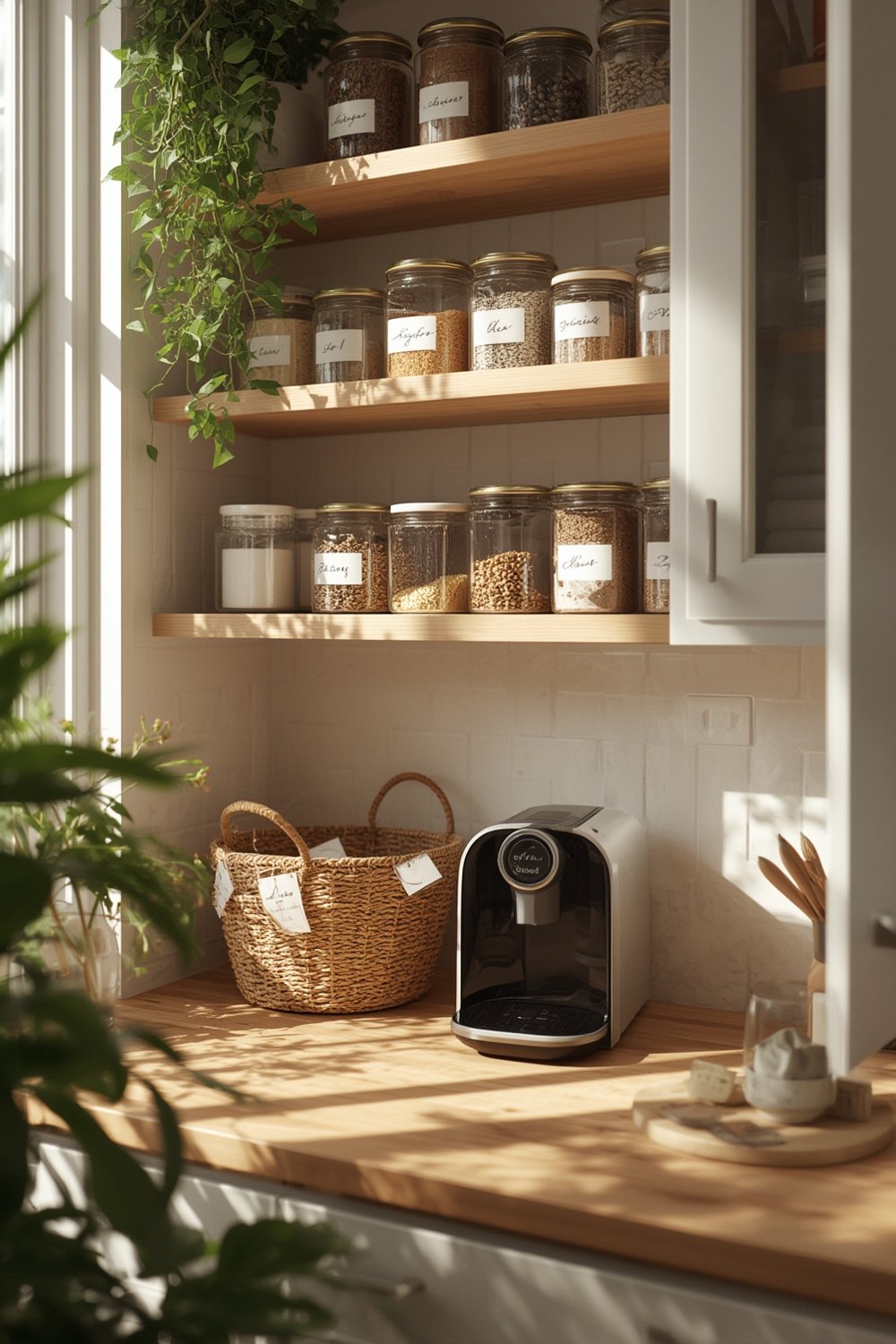
Yet, while home organization trends show anecdotal growth of home label maker use, market reports focus on industrial buyers, not home consumers. The market for label makers and pantry labels exceeded $1.3 billion globally in 2024, but data on individual household adoption remains vague. What’s clear: The right labeling system brings clarity, especially if you integrate it with modular storage solutions such as pantry containers or closet organizers.
Modern label maker machines come in handheld, desktop, or Bluetooth-connected models. Most support fonts and symbols for customization and claim label durability and waterproof labels—yet specs can be murky without user testing.
Step-by-Step Guide: How to Use a Label Maker for Pantry and Storage Labels
Ready to create reliable, readable storage labels? Here’s what works in real homes. Choose a label maker that suits your method (Handheld models for portability, desktop or smartphone-connected machines for bulk labeling), then follow this process:
- Inventory and Group: Start by organizing what you want to label. Group similar items together—dry goods, cleaning supplies, snacks, or toiletries. This also uncovers duplicates (do you need 12 kinds of pasta?). Consider using drawer dividers at this stage for even more separation.
- Pick a Label Maker Machine: Handheld models are portable and quick, while desktop or smartphone-connected machines enable more font and symbol options. Double check if your chosen model supports waterproof or oil-resistant labels for kitchen or bathroom bins, as specs can vary.
- Customize Your Labels: Type out your category names. Prioritize clarity over creativity—“Flour,” “Sugar,” “Snacks,” etc. Add expiry dates or prep notes for next-level detail. For extra style, try different font sizes or a decorative border if your machine allows.
- Print and Apply: Wipe bins, jars, or containers with a dry cloth so labels adhere well. Apply labels on a smooth, visible surface. For busy kitchens and sticky hands, position labels higher up to avoid smudging. Pair your new labels with damage-free hooks or over the door organizers to further boost efficiency.
- Test for Durability: Splash some water or oil onto one test label—does it smudge or peel? If so, swap in waterproof tapes or laminates, as there’s no standard certification for household waterproof labels yet.
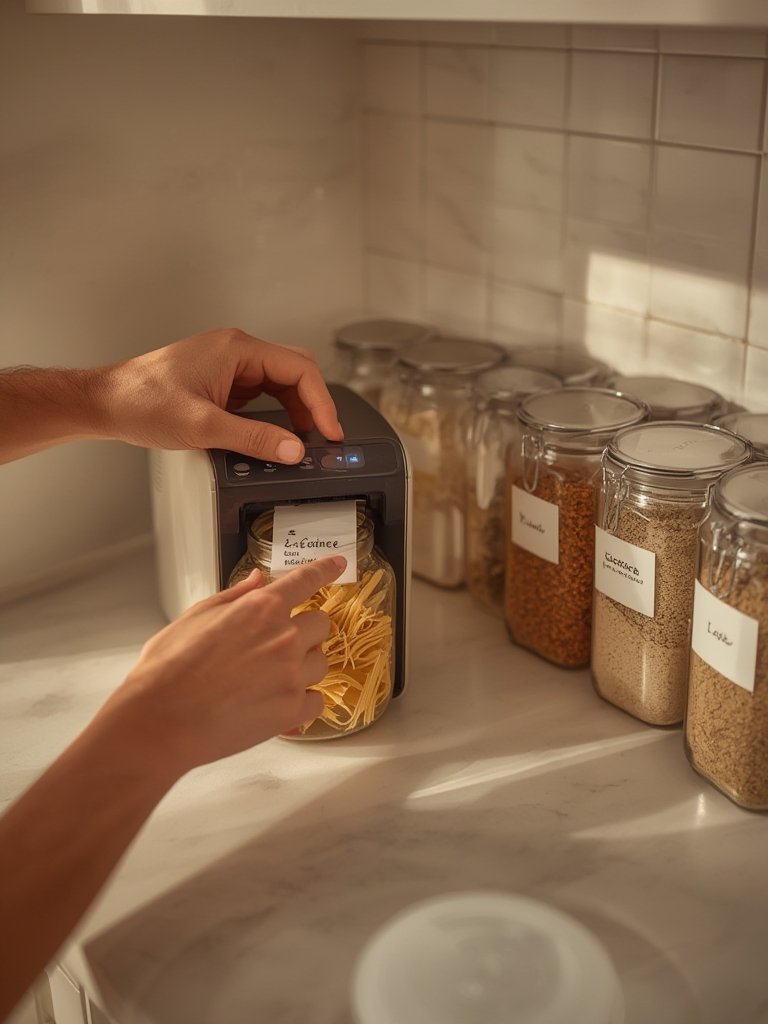
If you share a kitchen, use bold fonts for high-allergy foods or cleaning chemicals, and color coding for quick visual sorting. For homeowners and renters, pairing labels with under sink organizers or slim rolling carts makes finding supplies faster.
Advanced Analysis & Common Pitfalls: What Most Blogs Don’t Tell You
Most content skips the frustrations and technical gaps around label maker, pantry labels, and label maker machine shopping. Here are top issues based on 2024 research and what to watch out for:
- No True Standard for “Waterproof” Labels: Despite product claims, there’s no universal home-use waterproof certification. Testing at home is your best bet—some “waterproof” tapes are not oilproof, and the adhesive may fail in humid kitchens. See industry market analysis for how specifications are focused on industrial compliance.
- Lack of Reliable Label Maker Comparisons: No reliable public data ranks home-label maker machines by cost and specs. You’ll need to compare not just the device but ongoing expenses for tapes or thermal paper, as very few brands publish these costs transparently. The label printer market grows every year, but individual machine performance is not always clear for home uses.
- Durability and Design Shortcuts: Some machines cut corners with font readability, poor adhesive, or awkward app integrations. Bluetooth machines are trendy but can be less reliable and require updates or proprietary apps. Consider traditional desktop models if simplicity is your priority.
- Maintenance and Replacement Hassles: Most buyers overlook tape refill costs (which can be higher than the machine itself over time) and the annoyance of jams or fading print. Be sure to factor these into your cost calculations.
| Feature | Handheld Label Maker | Desktop/Connected Label Maker |
|---|---|---|
| Initial Cost | $20 to $40 (typical) | $35 to $100+ |
| Tape/Label Refills | $8 to $25/roll (varies with length/brand) | $10 to $30/roll (often proprietary brand) |
| Print Type | Thermal (No ink needed) | Thermal or Inkjet (higher customization) |
| Waterproof/Oilproof Options | Not guaranteed; must check label tape specs | Select models/tapes available |
| Bluetooth/App Integration | Rare | Available on newer models, app quality varies |
| Maintenance | Low (just tape refills) | Tape and ink (on some units), software updates |
Always double check if your model can use third-party tapes—some require only brand-name refills, inflating costs. For people with lower mobility or vision, avoid label makers with small, non-backlit displays. Finally, remember that style is secondary to long-term readability: minimalist labels work best in the long run, even if social media trends suggest otherwise.
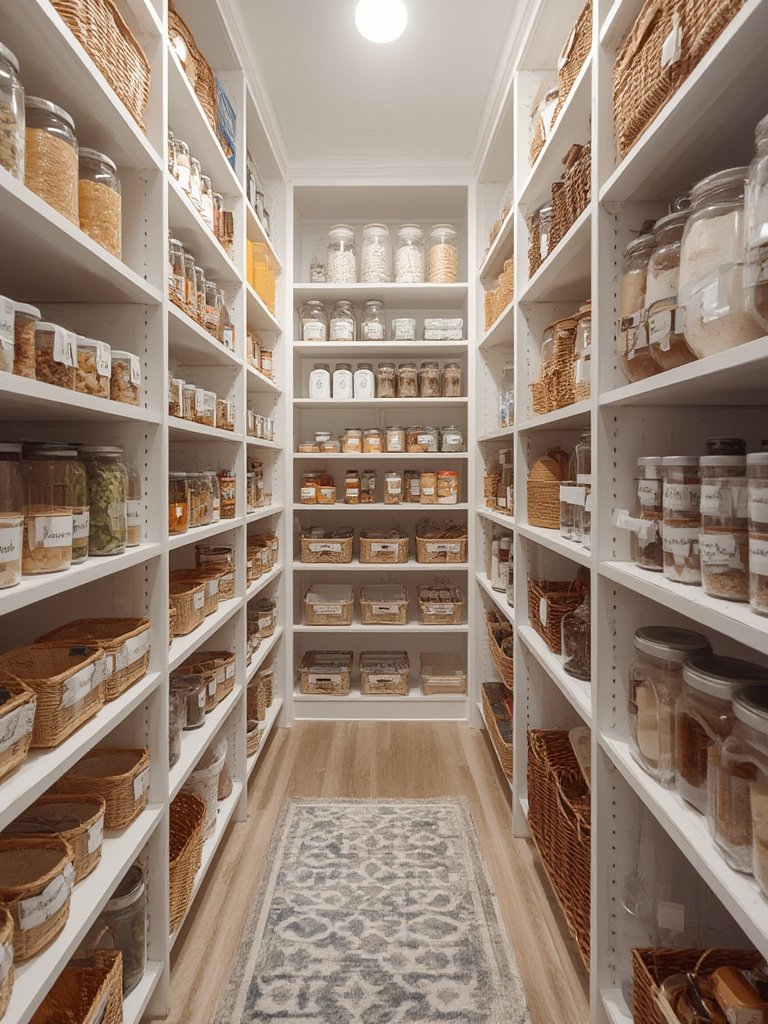
For more organization tools beyond labels, explore vacuum storage bags to maximize space, or magnetic fridge organizers for the kitchen sidewalls.
Conclusion: Should You Use a Label Maker for Home Organization?
While the label maker,pantry labels,label maker machine space lacks perfect transparency around specs, certifications, and user frustrations, a little planning goes a long way. Hands-on experimentation and choosing the right label tape will make the biggest difference to durability. Focus on what works for your routine—don’t get distracted by trends or complex feature sets. If you want less kitchen chaos and more clarity, integrate label makers into your home organization toolkit now.
Ready to see what labeling can do for your own space? Start small—you’ll be amazed how quickly everything becomes simple to find and easy to maintain.
FAQ
Are there any official waterproof certifications for home label makers?
No. There are no official certifications or industry standards for waterproof labels in home use as of 2024. Most claims are based on proprietary lab testing by manufacturers. Always test for yourself in your environment.
How long do typical pantry labels last before they need replacing?
Most consumer-grade printed labels last 6 months to 2 years, depending on temperature, humidity, and exposure. In kitchens and bathrooms, oil and steam can degrade common adhesives faster, so check labels periodically.
What costs should I expect for a label maker machine and refills?
Entry-level label makers cost around $20-$40, with desktop or app-connected models running $50-$100+. Expect to pay $8-$30 per label tape roll. Maintenance costs are usually just tape refills, unless the device breaks.
Is it worth buying a Bluetooth or app-controlled label maker?
Bluetooth and app control add flexibility—more fonts, easier typing—but can also introduce app glitches or connectivity headaches. If you’re tech-friendly, it’s a nice upgrade. If you prefer “it just works,” a manual or desktop model is safer.
Do pantry labels work well on textured or curved surfaces?
They will stick best on smooth, clean surfaces. For storage bins or jars with heavy curves or rough texture, test a sample label; sometimes an extra layer of clear tape helps with adherence and longevity.