

Motion sensor closet light, rechargeable closet light, closet light—these innovative lighting solutions are changing the way closets and cabinets function in modern homes. If you’re tired of digging in the dark, frustrated with short-lived stick-on lights, or searching for smarter, cleaner storage lighting, you’re in the right place.
Key Takeaways
- The motion sensor closet light and rechargeable closet light market is rapidly growing, led by demand for wireless, eco-friendly, and renter-friendly options.
- Choosing the best closet light depends on installation method, battery life, and motion sensitivity—common pitfalls include weak sensors and short recharge intervals.
- Smart placement and maintenance can maximize convenience, safety, and energy efficiency in any storage space.
- What Is a Motion Sensor Closet Light and Why Use One?
- How to Install a Rechargeable Closet Light: Step by Step
- Advanced Analysis: Pros, Cons, and Common Problems
- Conclusion
- FAQ: Motion Sensor and Rechargeable Closet Lights
What Is a Motion Sensor Closet Light and Why Use One?
A motion sensor closet light is a compact, wireless lighting device that automatically turns on when movement is detected. Most models today are either rechargeable closet lights or use easily swappable batteries, removing the need for any wiring or electricians. These closet lights are ideal for wardrobes, cabinets, pantries, and tight nooks where traditional lighting is impractical.
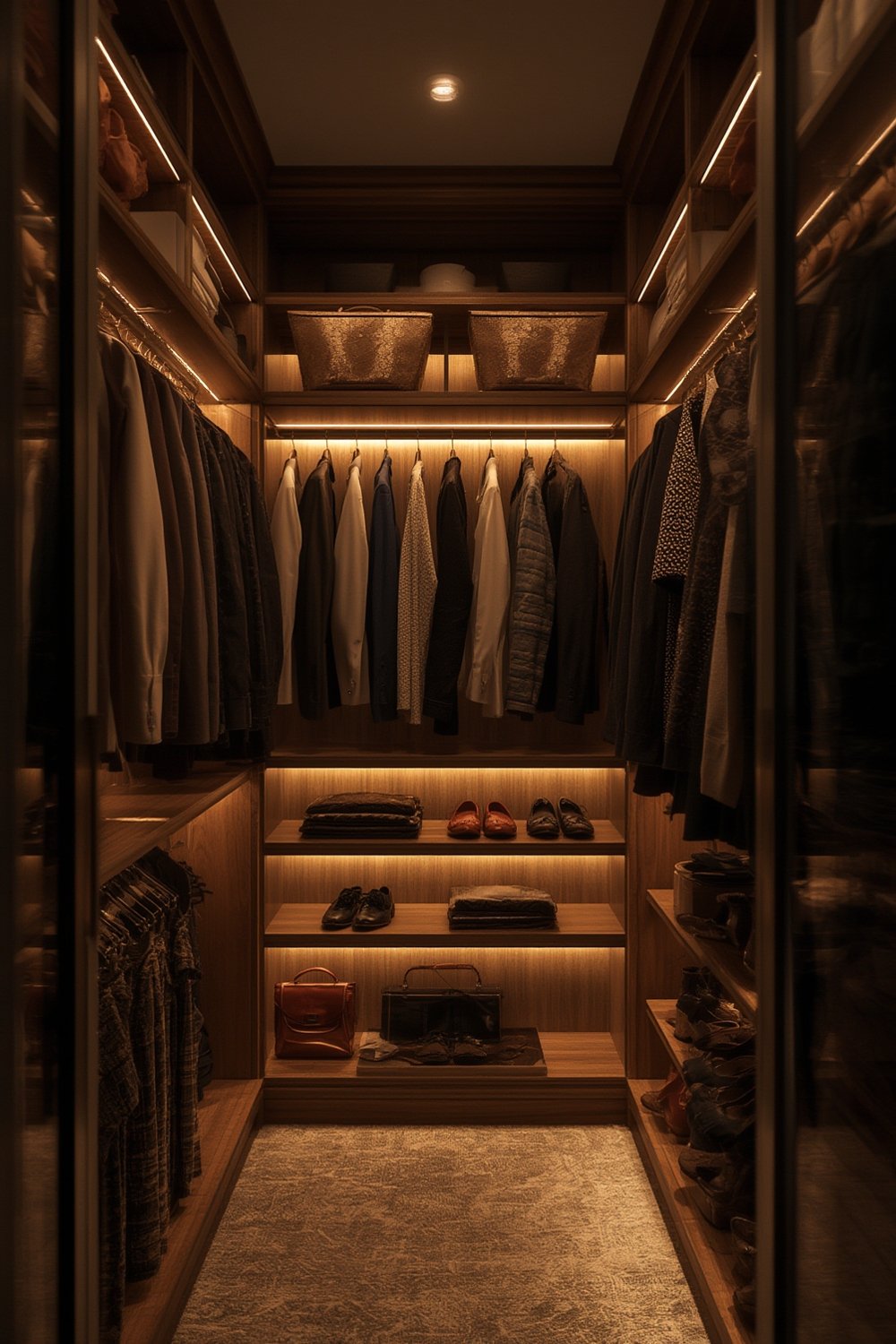
The main benefit is hands-free illumination: just open the closet door or approach the wardrobe and your light turns on for you. No more fumbling for switches or fiddling with flashlights. With modern rechargeable closet light options, you avoid the hassle and environmental impact of constant battery replacement. These units are extremely renter friendly, no-drill solutions—just like the no drill shelves and under sink organizer ideas that make upgrades easy without tools.
On a global scale, the motion sensor closet light and rechargeable closet light market reached an estimated $1.2–$1.3 billion in 2024, with strong growth driven by smart home trends, convenience, and energy-saving demand. Battery-powered closet lights dominate, accounting for nearly half of sales thanks to their flexibility.
Homeowners gravitate toward these closet lights because they provide instant light, help avoid accidents, and can boost home value through better usability and energy savings. For renters and anyone needing a modular closet system, these tools combine practicality with a non-permanent, damage-free setup.
How to Install a Rechargeable Closet Light: Step by Step
Getting the most from a motion sensor closet light starts with correct installation and placement. Here’s a simple workflow that works for almost any model:
- Unbox and Charge: If you’ve bought a rechargeable closet light, plug it in and make sure it’s fully charged before first use. For battery-powered models, insert fresh batteries.
- Test Before Mounting: Hold the light at different spots in your closet to test the motion detection range and the brightness level. Many lights have adjustable sensitivity switches—set these according to the size of your space.
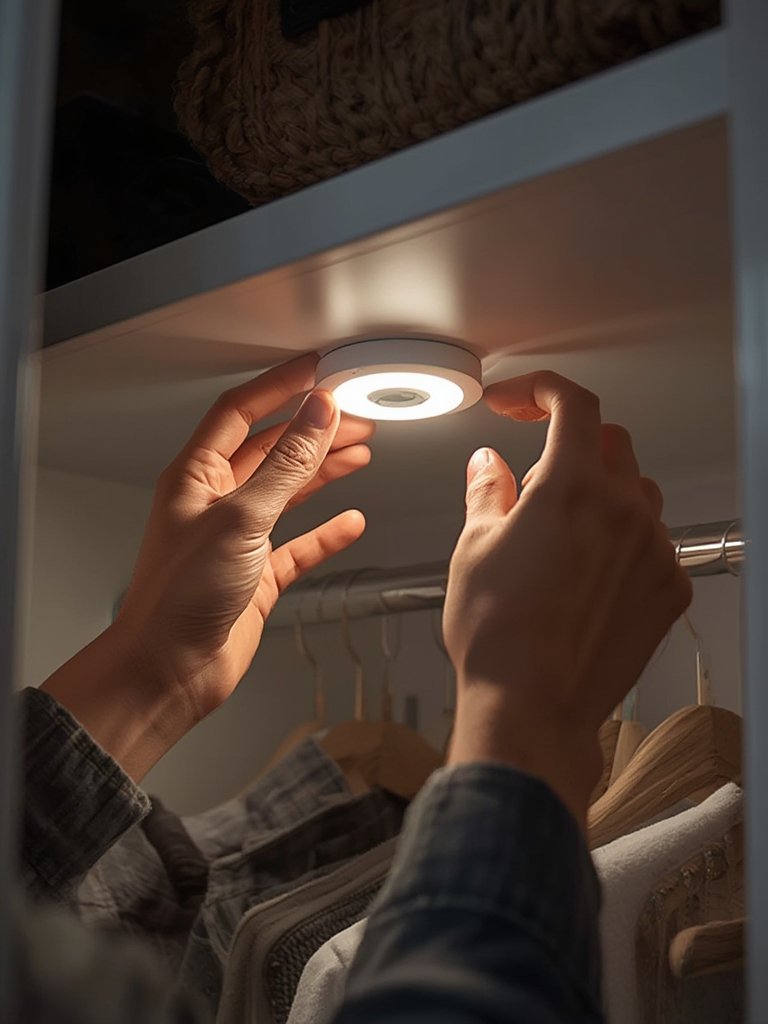
- Choose Your Mounting Method: Most lights come with peel-and-stick backings, magnetic strips for wire shelving, or screw holes for a more permanent install. For renter-friendly or damage-free setups, stick to adhesives or magnets—much like command hooks or magnetic racks.
- Ideal Placement: Mount the light near the closet entrance or above the wardrobe bar for best motion detection. For drawers or shelves, position under the shelf’s lip or at the back wall to avoid hitting clothes.
- Final Test: Shut the closet, wait a few seconds, then open or move your hand in front of the sensor to confirm auto-on functionality. Adjust angle or sensitivity as needed.
For closets overflowing with bins and seasonal gear, pairing your closet light with stackable bins or smart pantry containers makes everything easier to find—no more lost shoes or hidden hats.
Maintenance Tips: Every 2–3 months, recharge your lights or check the batteries. Wipe sensor panels clean and ensure adhesive is firm. For larger families or high-traffic areas, keep a spare light on hand or invest in a model with quick USB-C recharge ports.
Advanced Analysis: Pros, Cons, and Common Problems
While a motion sensor closet light can transform your storage experience, they aren’t perfect. Realistic users encounter several common issues:
- Short battery life / frequent recharging: In high-traffic closets, expect 1–2 weeks between charges, especially with older lights or cheaper batteries.
- Sensor “dead zones” or misfires: If the closet is packed or if items block the sensor, it may not detect movement properly. This is why correct placement matters.
- Adhesive failures: In humid climates or dust-prone closets, stick-on strips sometimes fall off after a few weeks. Back-up velcro or screw-based mounting can help.
- Insufficient brightness: Some ultra-compact models aren’t bright enough for walk-in closets or deep pantry shelves. Always check the lumen rating before purchase. (Data is sparse, but user reviews often note that “adequate lighting” and “good sensing” are most valued.)
According to
review analysis,
almost 15% of users specifically praise closet lights for strong brightness, while 9% highlight effective sensors—proving not every unit on the market is equal.
| Closet Light Type | Pros | Cons |
|---|---|---|
| Rechargeable Motion Sensor Closet Light | No battery cost, sustainable, easy to relocate | Requires recharging every 2–6 weeks, possibly less reliable in extreme cold |
| Battery-Powered Light | Cheapest upfront, longer standby life, easy to swap | Battery replacement waste, can run down without warning |
| Hardwired Closet Light | “Install once, forget it”, consistent brightness, never needs charging | Requires drilling, not renter-friendly, possibly expensive install |
| Solar Closet Light (rare indoors) | Eco-friendly, no batteries, low running cost | Only works with enough direct sunlight; often impractical in real closets |
The biggest market trend is toward AI-enhanced and voice-activated lighting. For example, Amazon’s Ring released a new
AI-powered floodlight system in 2024, integrating motion detection with smart home controls—a feature likely to appear in advanced closet lights soon.
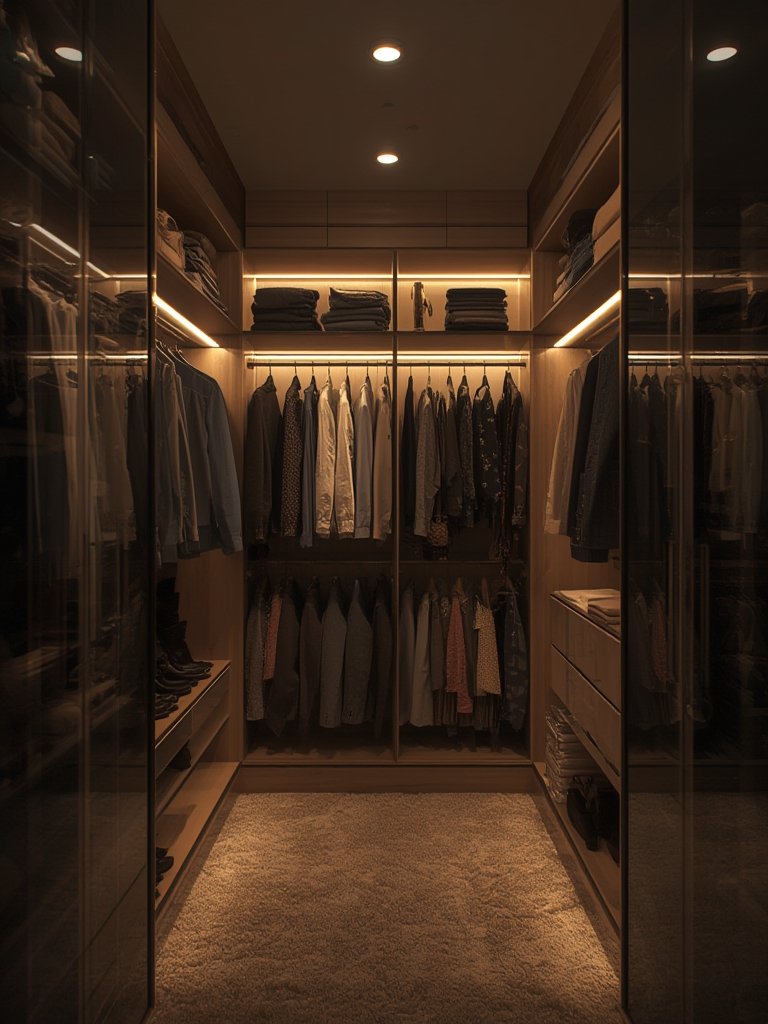
Key advice: When choosing your next closet light, prioritize models with strong user reviews, clear lumen ratings, and reliable adhesive or magnetic mounting. If you’re organizing a whole closet overhaul, pair your lights with a robust closet system or simple stackable storage bins to ensure long-term convenience.
Conclusion
Motion sensor closet lights, rechargeable closet lights, and innovative closet light solutions are essential if you want genuinely usable, frustration-free storage spaces. The best results come from careful placement, sensible maintenance, and an honest assessment of your needs—whether that’s full-brightness, non-permanent mounting, or pairing with other over the door organizers or racks. Don’t let a dark closet slow you down: pick a light that fits your habits and get organized today.
Ready to upgrade? Explore motion sensor closet light options and see the difference instant, energy-saving lighting can make.
FAQ: Motion Sensor and Rechargeable Closet Lights
Can I use a rechargeable closet light in a windowless wardrobe?
Absolutely. Rechargeable closet lights function perfectly in dark, enclosed spaces and don’t require any natural light. Just keep the unit charged every few weeks.
How long does a typical closet light last on one charge?
Most rechargeable closet lights run for 2 to 8 weeks on a charge, depending on usage frequency and battery capacity. High-traffic areas may require more frequent recharging.
Are adhesive-backed closet lights safe for painted walls or rental units?
Yes, most use gentle adhesives or Velcro designed for easy removal, similar to command hooks. Always check the packaging for renter safety advice.
Do motion sensor closet lights really help save energy?
Yes. Because the light only activates when needed, you avoid accidental “on all night” situations and save battery or electrical power over time.
What’s the difference between rechargeable, battery-powered, and hardwired closet lights?
Rechargeable lights run on built-in batteries you recharge via cable; battery-powered lights use replaceable AA or AAA cells; hardwired lights connect to your home electricity and usually require drilling and installation.