

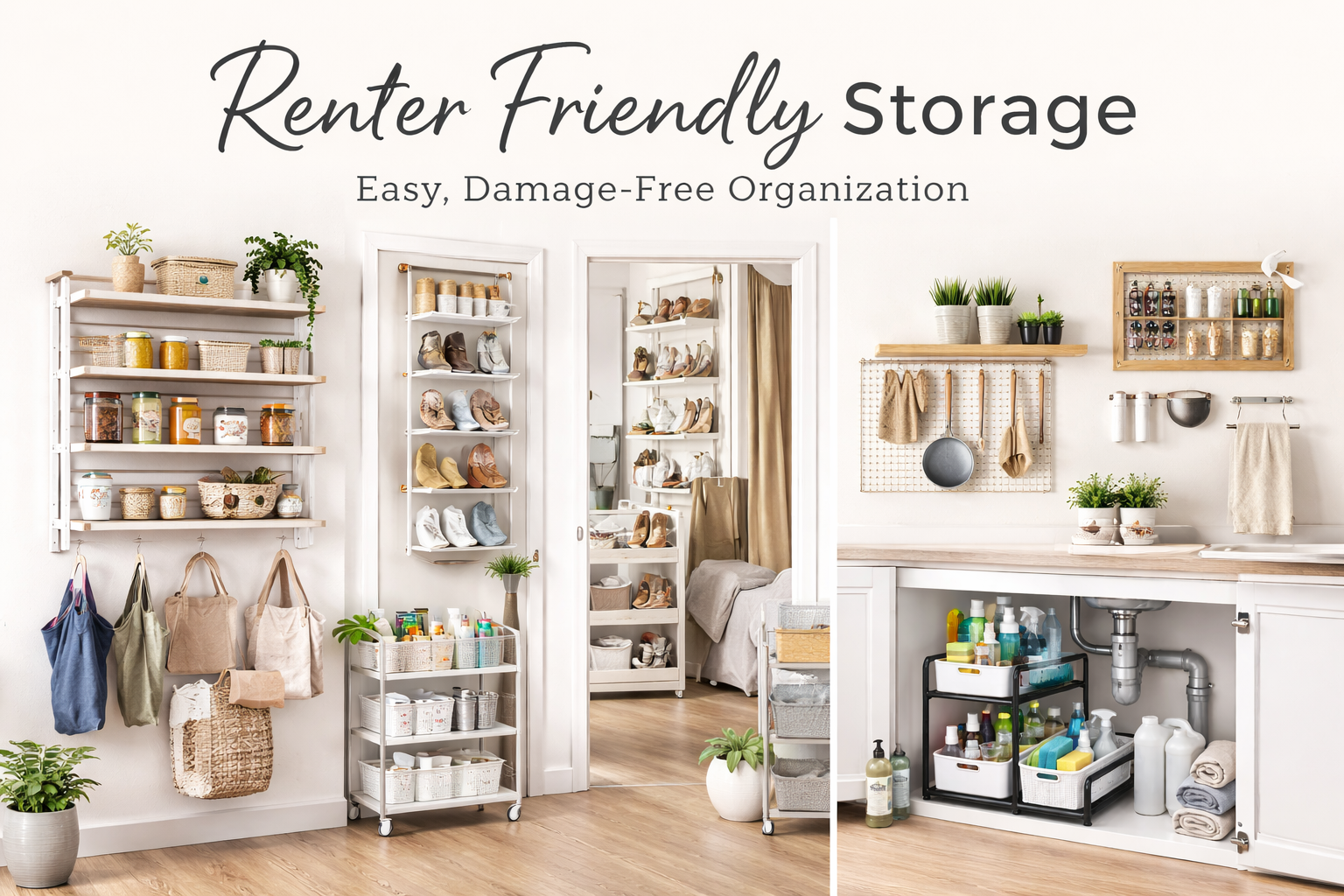
No drill shelves, renter friendly storage, no drill wall shelves have become the go-to solution for people who want more organization without risking their security deposit. If you want to add shelves to your apartment but can’t drill into the walls, this guide breaks down the reality — including market trends, installation steps, pitfalls, and how to avoid costly mistakes that surprise most renters.
Key Takeaways
- No drill shelves and wall-mounted renter friendly storage options are rapidly growing but come with specific limitations by wall type and environment.
- Installing no drill shelves correctly and matching them to your wall surface is critical to avoid property damage, unexpected shelf collapse, or loss of your security deposit.
- Total long-term costs for renters may match (or even exceed) traditional shelves if you factor in adhesives, possible wall repair, and product-specific limitations.
- What Are No Drill Shelves and Why Choose Them?
- How to Install No Drill Shelves (Step-by-Step)
- Advanced Analysis & Common Pitfalls
- Conclusion
- Frequently Asked Questions
What Are No Drill Shelves and Why Choose Them?
No drill shelves, also called “damage-free” or “renter friendly shelves,” use adhesives, suction, compression, or removable hooks instead of screws or anchors. Renters and those in short-term housing prefer them because they allow for temporary storage and decor without causing wall damage or risking lease violations.
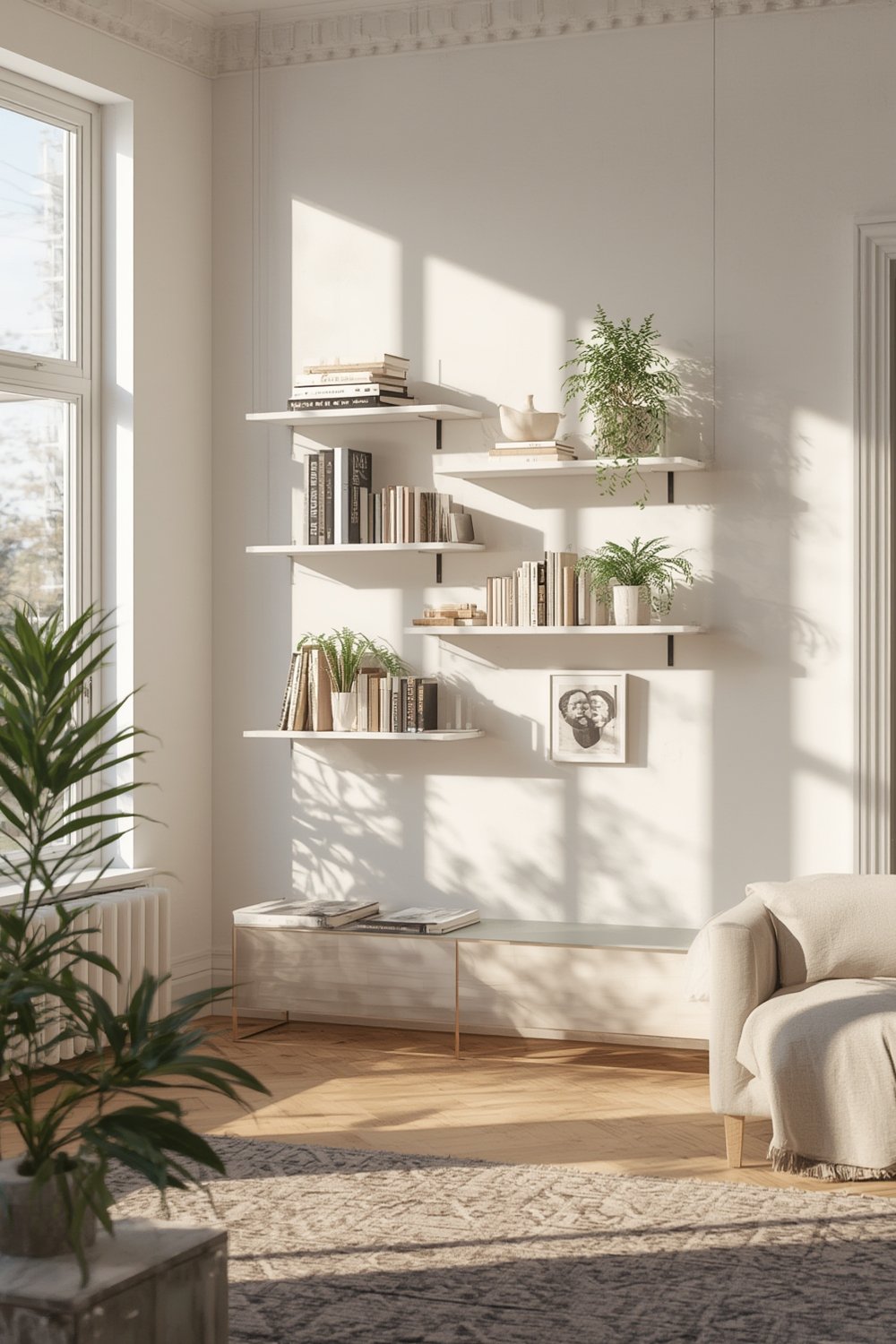
These shelves have grown in popularity in parallel with increased urbanization, the rise in DIY culture, and the trend toward smaller living spaces. According to market reports, the global floating shelves market is worth $1.29 billion in 2024, with strong growth forecast. No drill shelves form a small but fast-growing subcategory, especially among renters, though their share remains modest compared to the entire shelving market. Many renters also consider alternatives like tension-mounted poles, freestanding units, and over-the-door organizers.
If you’re focused on maximizing space without putting holes in your wall, adhesive and compression shelves offer a flexible option. Still, you must weigh their weight limits, surface compatibility, risk of damage at removal, and ongoing costs before you buy. For more options, check out our renter safe storage ideas guide.
How to Install No Drill Shelves (Step-by-Step)
-
Choose the right shelf type for your surface:
- Adhesive-backed shelves work best on smooth, clean drywall, painted walls, or glazed tile (not brick or textured paint).
- Suction or compression systems are better in bathrooms, on glass, or between floors and ceilings.
- Over-the-door hooks can provide shelf space for doors with sufficient clearance — avoid if your landlord prohibits hardware on doors.
-
Prep the surface thoroughly:
- Wipe the mounting area with isopropyl alcohol. Do not use soap, as residue can weaken adhesion.
- Let dry for at least 5 minutes. Make sure the wall is free from dust, grease, or flaking paint.
-
Mark position carefully before mounting:
- Use a level and painter’s tape to visualize the shelf’s placement.
- Once adhesive contacts the surface, it often cannot be repositioned without losing strength.
-
Apply and mount the shelf:
- Stick adhesive strips or pads firmly according to the manufacturer’s directions (hold in place for a full 30 seconds, pressing evenly).
- If using suction, ensure no air is trapped underneath.
- For tension or compression rods, apply only enough force to hold the unit stable — overtightening can cause wall or ceiling marks.
-
Wait at least 24 hours before loading items:
- This step is mandatory for proper bond strength. Many removals and failures occur because users skip the wait time.
-
Load items conservatively:
- Stay at or below 70% of the product’s rated weight, especially for adhesive shelves on drywall or paint over patchwork repair.
- Heavier items (books in stacks, plant pots, bottles) are best placed near the mounting points or, if possible, in freestanding bookcases.
-
Monitor regularly and prepare for removal at move-out:
- Check for sagging, peeling, or changes in adhesive integrity in humid rooms.
- To prevent wall damage, follow removal instructions exactly (stretch adhesive strips slowly in line with the wall surface).
- Document the wall condition with photos before installing and after removing, especially if concerned about your deposit.
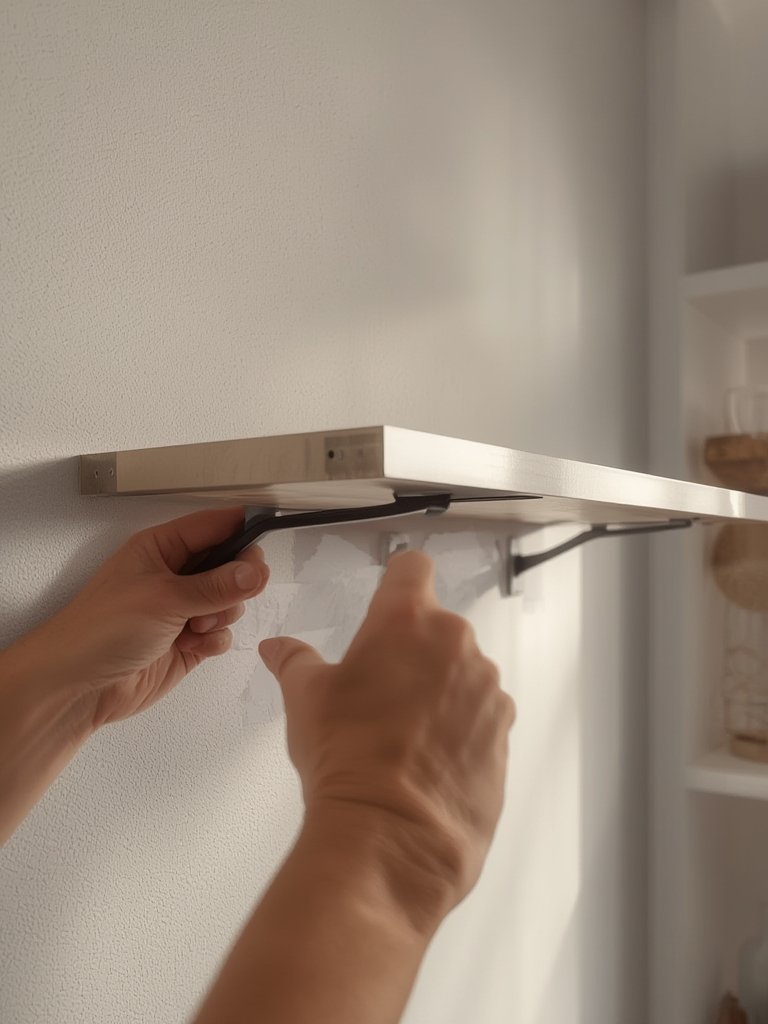
Want more DIY strategies? See our detailed floating shelves vs no drill shelves comparison for extra templates and surface-specific advice.
Advanced Analysis & Common Pitfalls
Even well-installed shelf systems can lead to problems if the unique challenges of no drill shelves are overlooked. Below are the most common real-world issues, based on recent market and product research:
- Poor adhesion on certain paints and textures: Low-VOC or semi-gloss/eggshell finishes rarely match manufacturer claims. Even small amounts of dust or residue dramatically lower holding power.
- Exceeding real-world weight ratings: Official numbers (like “15 lbs”) often overestimate support, especially for books, pots, or concentrated loads. Actual safe weights may be half the rated value.
- Humidity and temperature issues: Bathrooms and kitchens see more shelf failures due to steam and heat cycling. Adhesive shelf manufacturers generally recommend only dry, ambient spaces unless specifically rated otherwise.
- Removal damage: Common on older walls, brittle paint, or poorly prepped surfaces. Even a tiny paint tear can lead to disputes with landlords. Following removal instructions to the letter is key, but not foolproof.
- Recurring costs add up: Every re-mount or move typically needs new adhesive pads (costing $3-8 per shelf), and attempted reuses have high failure rates. Tension and suction systems can compress surrounding surfaces if overtightened or loaded too heavily.
- Lack of standards and testing: No uniform certification for adhesive shelf durability in rental settings means spec sheets rarely tell the full story. Most shelf load ratings are for static loads in ideal lab conditions, not day-to-day apartment living.
Below is a comparison of cost, durability, weight, and wall damage risk for popular options:
| Type | Typical Price (USD) | Avg. Weight Limit (lb) | Works On | Reusable? | Wall Damage Risk |
|---|---|---|---|---|---|
| Adhesive Shelves | 10–40 | 5–15 | Smooth drywall, glass, tile (no grout) | Low–med (needs new strips) | Med (if removed wrong or on old paint) |
| Tension/compression Rod Shelves | 30–70 | 15–25 (total) | Floor–ceiling corners, tubs | High | Low–med (surface indents/scuffs) |
| Over-the-Door Racks | 15–40 | 5–15 | Doors with clearance | High | None (if door undamaged) |
| Bracketed/Drilled Shelves | 15–60 | 20–50+ | Drywall (with anchors), concrete | Low | High (patching/painting required) |
| Freestanding Bookcases | 25–100+ | 50–200+ | Any solid floor | High | None |
Pro users often choose a mix: heavier items go in freestanding storage units, while no drill shelves are used for light items and display in high-visibility areas. For full surface compatibility and a breakdown by adhesive type, see our surface-safe storage solutions guide
For further statistics and growth trends, see the published shelving units & shelves market report and the wall-mounted shelves market analysis. These show strong growth but confirm that surface compatibility and recurring adhesive/repair costs make renter friendly no drill shelves a specialized, not universal, solution.

Conclusion
No drill shelves and other no drill shelves, renter friendly storage, no drill wall shelves solutions help renters increase space without violating their lease, but come with key tradeoffs: careful product selection, surface-specific prep, and realistic load limits are critical to avoid wall damage or loss of deposit. Ongoing adhesive costs and lack of true “one-size-fits-all” solutions still favor a hybrid approach for most renters. Take action by matching shelves to your wall, prepping and removing carefully, and combining light, no-drill shelves with freestanding storage for heavier items.
Looking for more inspiration? Explore our in-depth guides on floating shelves vs no drill shelves and renter safe storage options to find what fits your space best.
Frequently Asked Questions
Can no drill shelves really hold heavy items like books or kitchen appliances?
Not reliably. Most adhesive shelves support 5–10 lb on drywall—sometimes 15 lb on smooth tile or glass. For books, pots, or blenders, freestanding shelves are safer. Always stay under 70% of the advertised weight limit.
Will installing no drill shelves damage my rental walls?
If you follow surface prep and removal instructions, damage is less likely, but even “damage-free” products can cause paint tearing or leave residue, especially on older or patchy paint. Always photograph walls before/after for your records.
What surfaces are best and worst for no drill wall shelves?
Smooth, well-primed drywall, glass, and fully glazed tile are best. Avoid textured walls, bare concrete, brick, or walls with old, peeling paint. Use tension systems or freestanding units in rough or unsuitable spots.
Are replacement adhesives or parts easy to get?
For major brands, yes—replacement strips and pads are usually sold separately. Check if your shelf’s manufacturer offers genuine replacements, as generic pads may reduce load capacity.
How can I minimize loss of security deposit from wall damage?
Prep the wall, stick to light loads, document everything, and remove slowly per product instructions. Minor paint issues may still count as “damage” by some landlords, so budget for patching or touchup if needed.