

### Blog Post:
over the door organizer,hanging door organizer,over door storage solutions are one of the easiest ways to maximize small space—especially for renters and anyone who wants tool-free, damage-free storage. But the difference between clever storage and a frustrating mess comes down to fit, durability, and the real capacity of what you buy. Here’s what actually matters for making these organizers work for your space in 2024, based on new research and user reviews.
Key Takeaways
- The market for over the door and hanging door organizers is booming, especially in small apartments and dorm rooms but complaints about poor fit and durability are common.
- Carefully checking door measurements, weight limits, and installation needs prevents most problems and damage—especially for renters.
- Higher-rated models consistently offer thicker materials, door padding, and adjustable hardware; avoid low-cost, thin, or unpadded options for heavy loads.
- The Core Concept: What Makes Over-the-Door Organizers Work?
- How to Choose and Install the Right Over-the-Door Organizer
- Advanced Analysis & Common Pitfalls: What Can Go Wrong?
- Conclusion
- FAQ
The Core Concept: What Makes Over-the-Door Organizers Work?
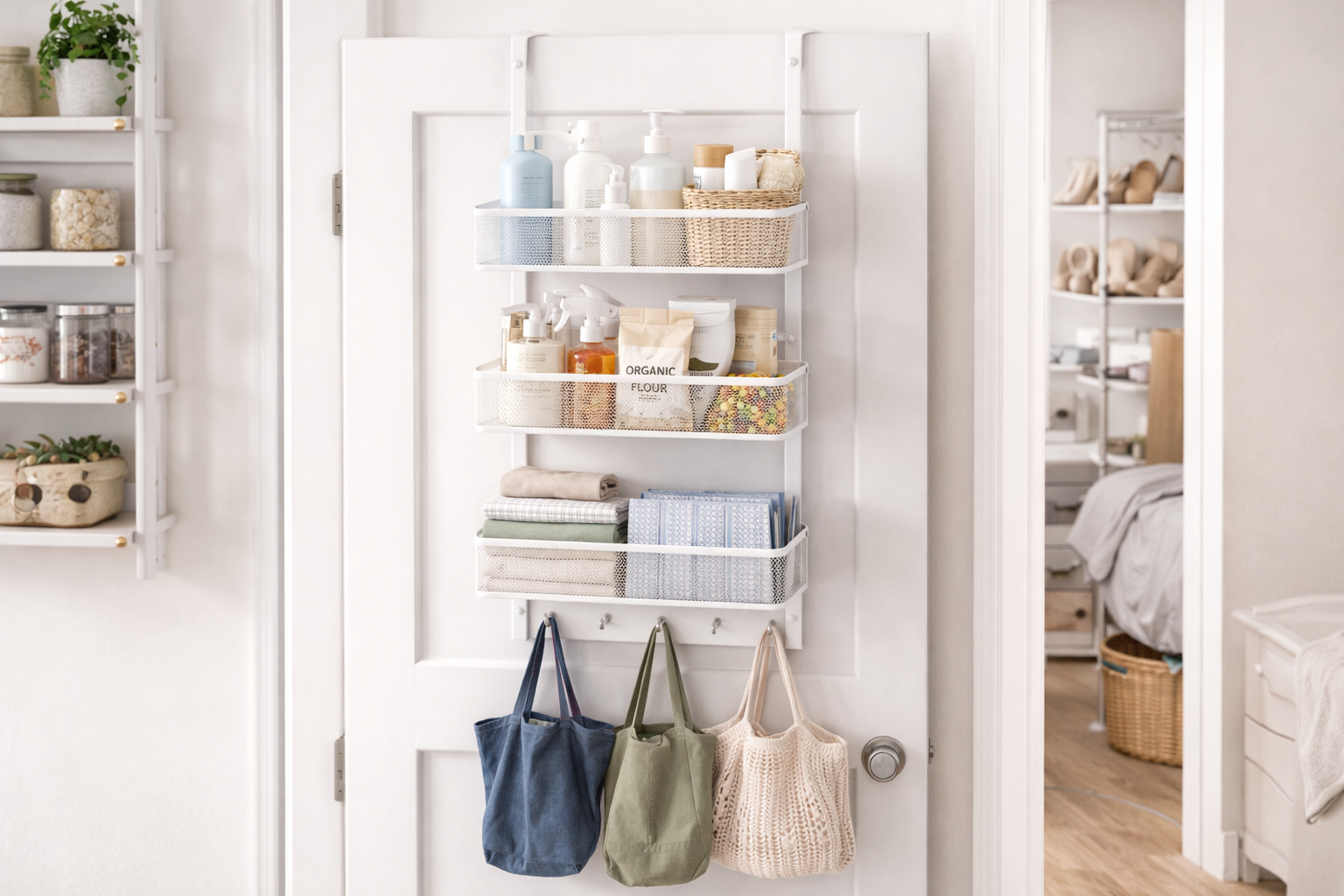
over the door organizer, hanging door organizer, and over door storage products are designed to instantly add modular storage to nearly any room—bedroom, bath, pantry, or closet—using just your existing door. These solutions are ideal for maximizing vertical space, especially in apartments or older homes with little built-in storage. In 2024, the global over-the-door organizer market reached USD 2.17 billion, driven by demand for tool-free, renter-safe, and mobile storage.
These organizers come in fabric, wire, plastic, or wood, and most simply hook over the top of the door. High-quality variants can hold up to 50 pounds of shoes or pantry goods if properly installed on a sturdy door. Their biggest advantages are the lack of drilling, fast installation, and ability to move or remove them without permanent damage—a huge plus for renters or dorm residents. But design and fit matter: poorly fitted racks can block doors, scrape paint, or even damage the door itself.
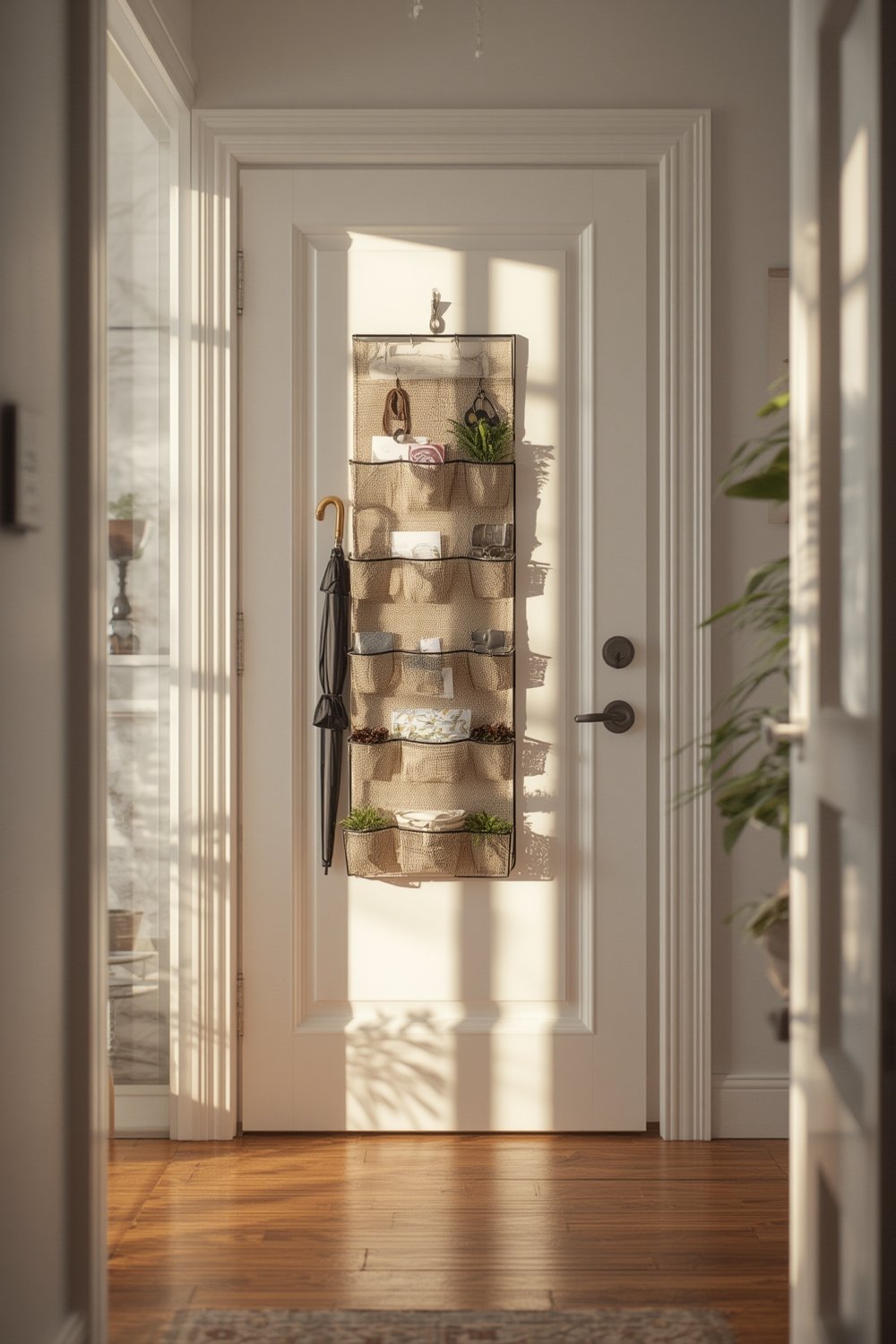
Most best hanging door organizers offer multiple baskets or pockets to store shoes, cleaning supplies, towels, snacks, or toiletries. Some specialty versions have clear pockets for craft or office supplies. Buying the right type starts with knowing your door and what you want to store.
How to Choose and Install the Right Over-the-Door Organizer
Buying the best hanging door organizer is more than picking the top-rated model. Follow these practical steps to avoid wasted money and future frustration.
-
Check Door Type and Compatibility:
Use a tape measure to determine the thickness of the top door edge—thick fire doors or metal entry doors are common in apartments and some dorms. Many racks only fit up to 1.75 inches; some are even tighter. For extra-thick or thin doors, look for models with adjustable or multiple hook sizes.
For more details, see our door organizer buyer’s guide. -
Decide What You’ll Store:
Plan your storage: heavy pantry goods, shoes, cleaning supplies, towels, or cosmetics all have different weight and pocket needs.- For shoes and snacks: choose 24-pocket fabric models with strong grommets.
- For heavy items: select thick gauge metal racks with reinforced baskets and a clear stated capacity (ideally user-verified).
- For kids or shorter users: check that the bottom pockets or baskets aren’t too high.
-
Check Installation and Assembly:
Most hanging door organizers are labeled “tool-free,” but some “no-drill” models still require wall screws for stability—especially for tall racks. Favor true snap-together or slide-in parts, and avoid units that require extensive screwing or fiddly hardware (a common frustration in negative reviews).
Tool-free storage solutions for apartments are great for rental safety. -
Protect the Door Surface:
Always use provided (or add your own) foam, felt, or silicone padding on hooks and back bars. This prevents scratches and pressure marks, which are frequent causes of damage charges when moving out.
For more on deposit safety, visit renter-friendly organizer tips. -
Load Carefully—Follow Realistic Weight Limits:
Do not trust marketing claims alone. High-rated products will specify total and individual basket/pocket weight limits, but reviews often reveal actual safe limits are lower—especially on cheaper models. Always put heavier items lower to reduce door strain and swinging. -
Test Door Function and Noise:
After hanging, open and close the door fully. Listen for rattling, check that the organizer isn’t scraping the frame, and confirm the latch works. Adjust placement or add extra padding if needed.
See our guide to stopping door organizer rattling if noise is a problem. -
Document Door Condition (Renters):
Snap photos of the door before and after installation (especially painted or hollow doors). This can help if there’s ever a dispute about damage on move-out.
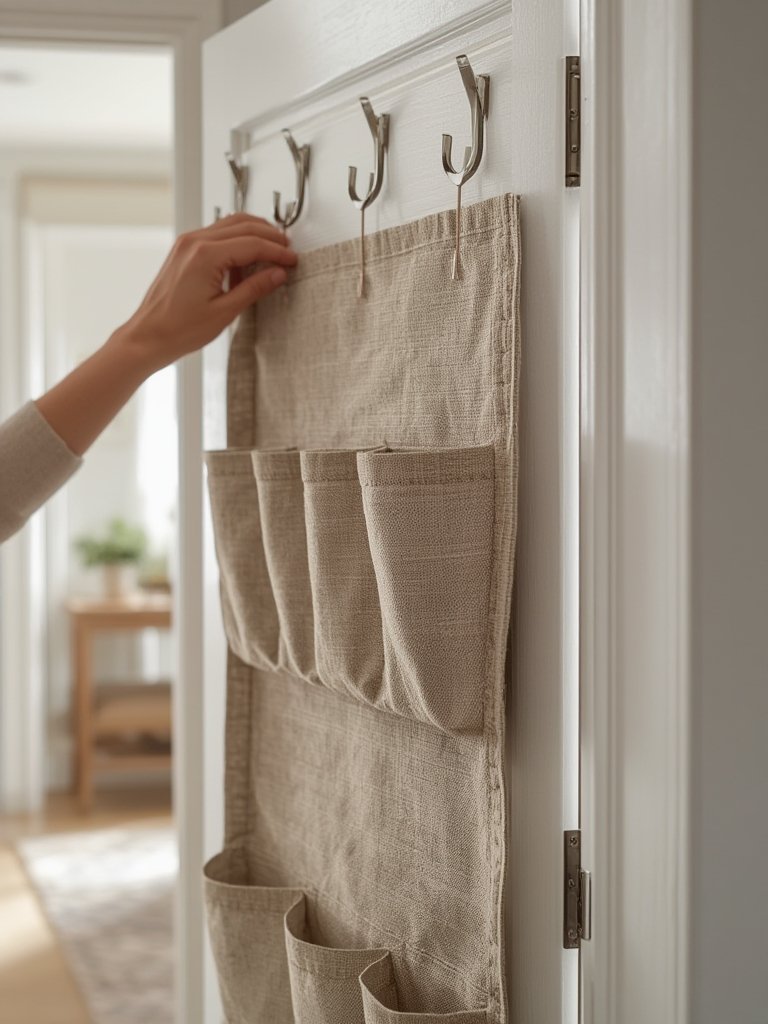
Keep in mind that price does not always equal performance. High-end organizers (USD 60 and up) offer thick steel and modular fit, but you can get safe and durable fabric pocket models for under USD 20 if you follow the tips above.
Advanced Analysis & Common Pitfalls: What Can Go Wrong?
Choosing the wrong over door storage or ignoring your door’s limitations causes most complaints, wasted money, and rental headaches. Here’s what buyer research and thousands of real user reviews reveal as the most common issues:
| Problem Area | Typical Issues | Real-World Impact | How to Prevent |
|---|---|---|---|
| Door Fit | Hooks too tight for fire/thick doors, too loose for hollow doors; door won’t close or latches won’t engage. | Poor fit leads to frustrating returns, damage to paint or door structure, and security risk if doors won’t lock properly. | Measure carefully, buy adjustable hook models, test door function before loading, avoid fixed-size hooks for nonstandard doors. |
| Installation/ Assembly | “No tool” promises broken by need for screws, unclear instructions, or hard-to-align baskets. | Extra time, frustration, sometimes requires tools not included. | Pick products with real snap-fit assembly, read reviews for real ease of setup. Preview instructions online. |
| Durability & Weight Limit | Wire or fabric bending/tearing, welds breaking, rack warping under load. | Items drop, organizer wears out fast, can damage door. | Stick to heavy-duty materials for heavy loads; always under-load compared to marketing max. |
| Rental/Deposit Safety | Scratches, dents, chipped paint from bare metal hooks, compressed fiberboard at top of door. | Risk of loss of deposit, visible door damage, or need for repairs after move-out. | Always use padding or non-marring hooks, limit total load, photo documentation before/after install. |
| Noise/Motion | Rattling and vibration, especially with hollow/cheap doors. | Disturbs household or neighbors, possible added damage. | Add felt or silicone pads, test for noise before loading, consider load distribution. |
For a deeper dive on these points, see our detailed list of over the door storage mistakes to avoid.
According to 2024 market research, urban renters and college students report the highest dissatisfaction with fit and durability. Products that don’t specify exact door compatibility, lack padding, or exaggerate capacity are at the root of most returns and negative reviews.
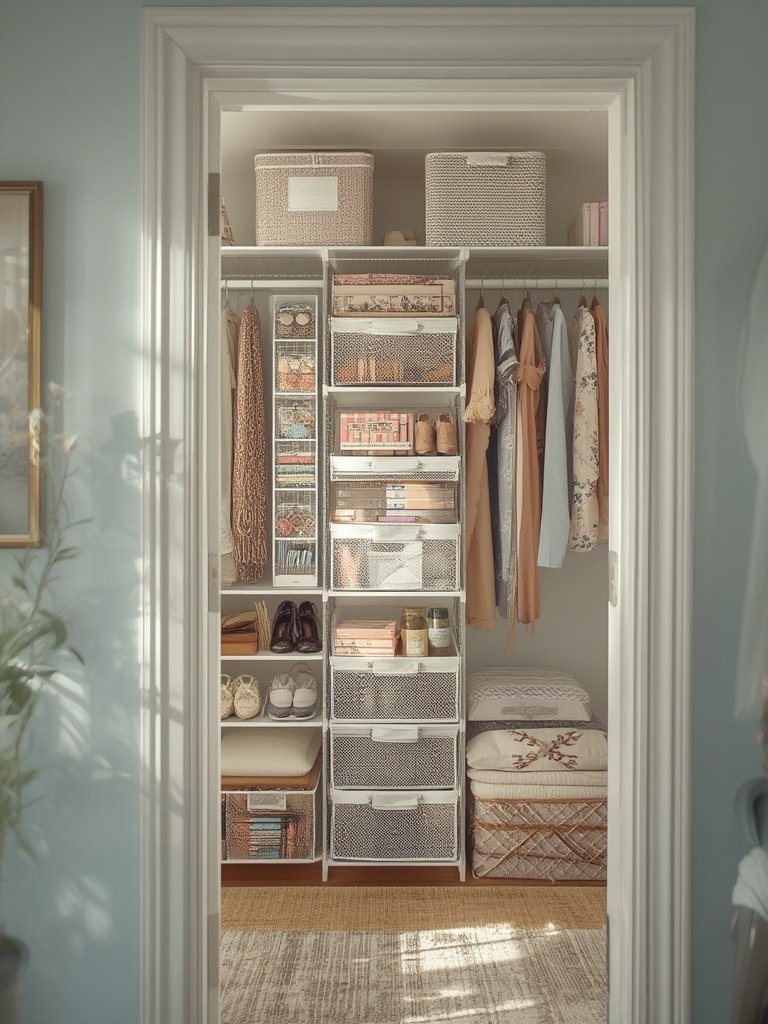
What’s often missing in top search results? Evidence-based advice on weight distribution, realistic user-reported capacity vs. advertised specs, and guidance for avoiding permanent damage in rentals. If you want solutions safe for renters, look for models labeled “apartment-safe” and check for true tool-free, padded hooks.
Conclusion
over the door organizer, hanging door organizer, and over door storage products solve real storage problems—especially in small homes and rentals—if you pick wisely. Avoid generic “fits most doors” claims, study your own door, check weight and installation needs, and invest in padded, adjustable organizers for best results. For more expert advice and curated options, check our in-depth reviews or consult our dorm room storage solutions for students.
Ready to reclaim your space without risking your deposit or wasting time on ill-fitting racks? Choose a quality over the door organizer that fits your door, follow our setup steps, and enjoy clutter-free living today.
FAQ
How do I know if an over the door organizer will fit my door?
Measure your door’s thickness at the top edge. Most organizers fit doors up to 1.75 inches, but some doors—especially in apartments and fire-rated doors—are thicker. Check both the product specs and your measurements before ordering.
Will hanging door organizers damage my door or risk my rental deposit?
If you use organizers with soft padding on the hooks or add felt strips, and avoid overloading them, you can minimize risk. Avoid using organizers on doors with soft paint or thin, hollow construction for heavy items. Take before-and-after photos for proof if renting.
Can I use over the door storage on a metal or fire door?
Some organizers won’t fit thick or metal-clad doors. Also, many landlords prohibit hanging anything on fire doors for safety reasons. Always check your lease or housing rules first.
What’s the safest way to pack heavy items in an over the door organizer?
Place heavier items in lower baskets or pockets to reduce strain on the hooks and door. Never overload the top row. Distribute weight evenly and always follow the real user-reported capacity—often less than the stated max.
Are tool-free (no screws) hanging organizers really safe for renters?
The best tool-free organizers include wide, padded hooks and don’t require any drilling or adhesives. These are safe if used as directed. Always check for marks or pressure spots periodically and use extra felt or foam if needed.