

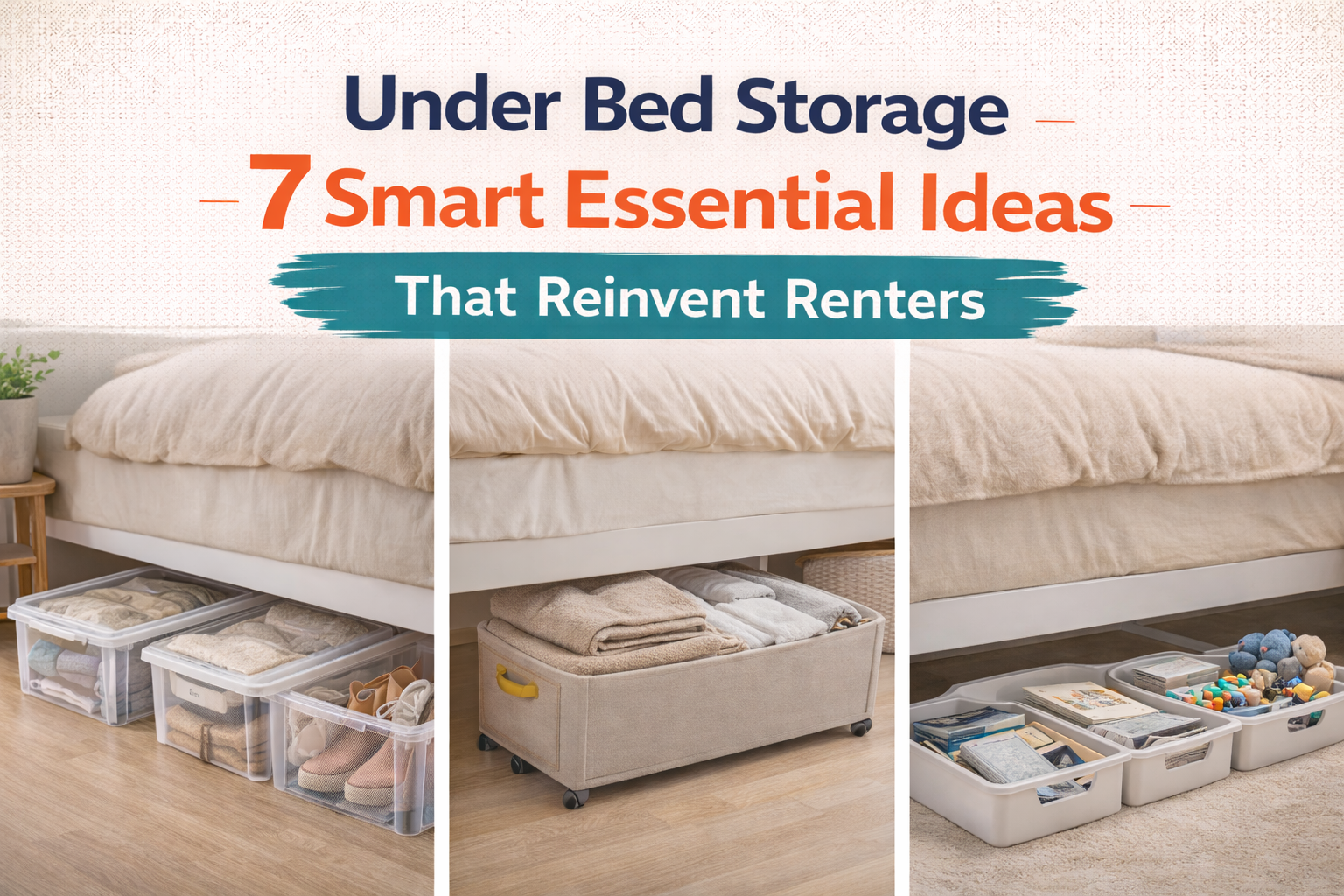
Under bed storage, underbed storage bins, under bed organizer—if space is tight, these are essential solutions for decluttering and keeping your home functional. Whether you’re in a city apartment or sharing a small bedroom, learning how to maximize the space under your bed can make all the difference between chaos and calm.
Key Takeaways
- The global market for under bed storage boxes is booming, with over 65% of demand from residential spaces, especially small homes and apartments.
- Choosing the right underbed storage bins is about balancing accessibility, durability, and actual dust protection—each comes with its own pros and cons.
- Clever organizing tricks and product selection can double your usable storage, but common mistakes can make it more hassle than it’s worth.
- What Is Under Bed Storage and Why Does It Matter?
- How to Choose and Use Underbed Storage Bins: Step-by-Step
- Real-World Pitfalls and Advanced Tips for Under Bed Organizers
- Conclusion
- Frequently Asked Questions
What Is Under Bed Storage and Why Does It Matter?
Under bed storage refers to using the space beneath your bed to store items using bins, boxes, or organizers specifically designed for low clearance. With the average size of urban apartments shrinking and remote work making home organization more important, underbed storage bins have emerged as game changers for utilizing every inch of space.

According to recent industry research, in 2024 the global market for under bed storage boxes hit nearly USD 4.21 billion, overwhelmingly driven by small homes and apartments where every square inch matters. In densely populated areas like Asia Pacific and major cities across North America and Europe, more than a third of residents rely on creative storage—under bed organizers are a favorite because they’re accessible, often hidden, and can be moved easily when it’s time to clean or rearrange.
But under bed storage isn’t just about creating more room. It’s about reducing stress by keeping clutter out of sight, protecting off-season clothes or bulk items from dust, and making it easier to rotate belongings as needs change. Want even more renter-friendly storage ideas? Don’t miss these no drill shelves for apartments.
How to Choose and Use Underbed Storage Bins: Step-by-Step
Ready to tackle your bedroom chaos? Here’s how to get the most storage under your bed without regrets.
- Declutter First: Pull everything out from under the bed—even that single sock. Group items you want to keep: seasonal clothes, shoes, keepsakes, sports gear, etc. Donate what you don’t need. If you’re looking for solutions beyond the bedroom, check out top-rated under sink organizers to tame kitchen or bathroom chaos.
- Measure Carefully: Standard underbed storage bins are 4–8 inches tall. Some rolling drawers are as low as 3.5 inches. Lengths vary; typical bins can be 23–35 inches long and 15–24 inches wide. Always check your available height and width—bed legs, frame design, and headboard can obstruct real space.
- Choose Materials for Your Needs:
- Clear Plastic Bins: Best for easily seeing contents; hard sides protect delicate items; some are airtight for dust protection.
- Fabric Zipper Bags: Collapsible when not in use; good for soft items (linens, clothes); less protection from dust/bugs unless they seal tightly.
- Wood or Rattan Drawers: Stylish but heavier and often pricier; can snag on rugs; ideal for shoes or linen if you have a smooth floor.
- Check Weight Capacity: Lightweight bins are fine for clothes, but for books, shoes, or sports gear, choose bins with rigid sides and reinforced bottoms (15–25 lbs is a good minimum per bin).
- Organize by Season or Function: Store winter clothes, extra bedding, or kids’ toys in easy-to-slide containers. Use dividers inside bins for socks or accessories—see how drawer dividers simplify your system.
- Label Everything: Even clear bins benefit from a quick label (“Swimsuits,” “Sweaters,” “Holiday Decor”), especially for families sharing beds or rotating items. Not sure how? Our guide on label makers and pantry labels breaks it down.
- Maximize Cleanliness: Always dust or vacuum under the bed before sliding bins in. Consider bins with wheels for easy pullout and regular cleaning.
- Protect Against Dust and Bugs: If allergies or pests are a problem, airtight plastic containers work best. Fabric bins with zippers may protect from most dust, but not insects.
- Don’t Overpack: Overloaded bins are hard to pull out and may break over time. Stay within weight recommendations to avoid frustration.
- Consider Stackable Solutions: For wide beds, double-layered slim stackable bins use vertical inches without eating up visible space. For more stacking tips, see our stackable bins organization guide.
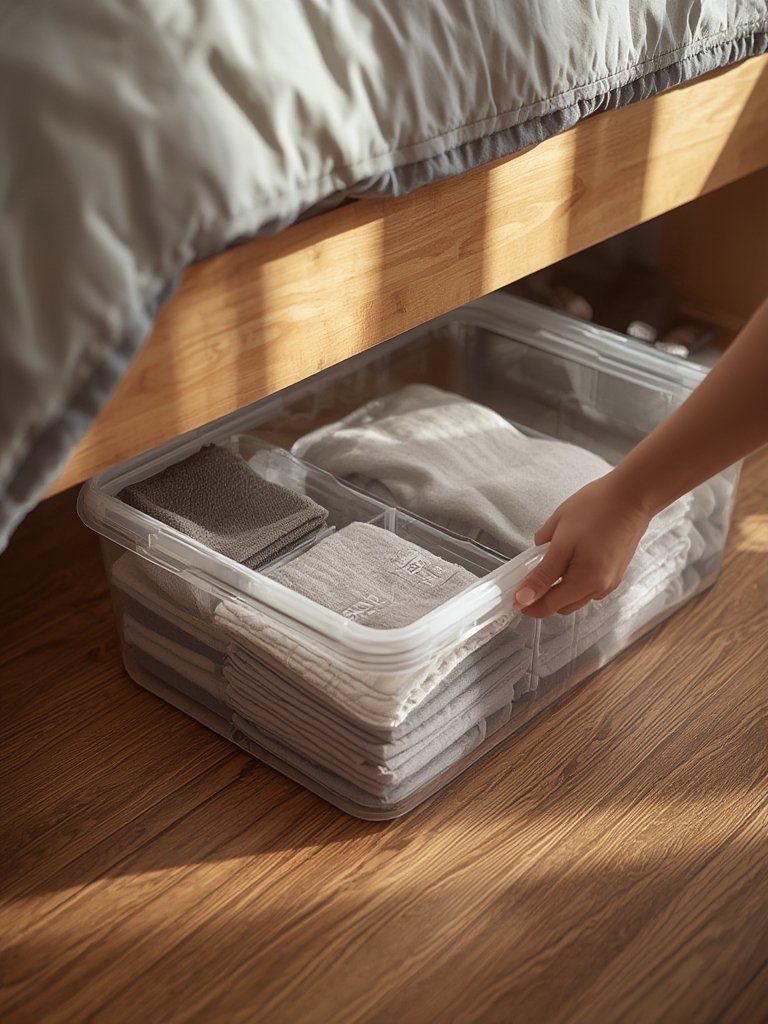
That’s it! You’re ready to reclaim valuable square footage, rotate seasonal items with ease, and keep your bedroom looking calm and uncluttered.
Real-World Pitfalls and Advanced Tips for Under Bed Organizers
No storage solution is perfect. Here’s a breakdown of the most common problems with under bed storage—and how to avoid them, based on real-world use and market insights.
| Problem | What Causes It | Avoid or Solve It |
|---|---|---|
| Bins won’t fit or slide out easily | Mismeasured clearance, thick rugs or baseboards, bins too wide/long, or bins sagging with weight. | Always confirm inner bed dimensions before buying. Choose bins with wheels or low-friction bottoms. |
| Dust, allergens and bugs get inside | Loose-fitting lids, open slats, infrequent cleaning, fabric covers with weak zippers. | Go for airtight plastic bins, zippered bags with gussets, or combine storage with vacuum seal bags for added protection. Read our top tips in vacuum storage bags guide. |
| Bins warp, crack, or collapse | Storing heavy/awkward edged items in lightweight/fabric containers; bins get kicked or moved roughly. | Choose reinforced bins for weight; handle with care; replace as needed. Use hard shell bins for shoes or books. |
| Items are hard to find | Opaque bins, no dividers, items packed randomly, inconsistent labeling. | Opt for clear bins, sort by category, and label each container clearly. Add drawer dividers for subcategories. |
| Bins slide out accidentally or get stuck | Smooth floors, no stoppers, bins too light for contents, or bed isn’t level. | Use bins with wheels + brake, install small floor bumpers, or wedge a soft item as a stopper at the back. |
If your bed is too low or oddly shaped, consider tension rod shelves or over the door organizers to capture other wasted nooks. Remember: no solution is perfect—sometimes rotating or purging items twice a year keeps everything manageable.
Conclusion
For anyone wrestling with cramped bedrooms or overflowing closets, under bed storage, underbed storage bins, under bed organizer systems remain the most effective upgrade for hidden storage—if you measure carefully, choose the right bins, and organize intentionally. As apartment sizes shrink and family needs change, the right under bed strategy will help you reclaim calm and order in every room. Ready to start? Find the perfect bins for your space and transform the way you organize your home today.
Frequently Asked Questions
How do I measure my bed for under bed storage bins?
Use a tape measure to find the clearance from floor to bed frame base. Measure the width between bed legs and the length from headboard to footboard minus any supports. Leave an inch or two wiggle room for easy sliding.
Can I use fabric storage bags or do I need plastic bins?
Plastic bins provide the best protection against dust and pests, and make item retrieval easier—especially if clear. Fabric bags are great for soft items and can collapse for storage, but they aren’t as protective for bulk or fragile items.
Are under bed storage bins good for long term storage?
If you use airtight, rigid plastic or hard shell bins with secure lids, they’re great for storing off-season clothes, linens, or keepsakes. For valuable items, consider vacuum seal bags inside bins for extra protection.
Do I need wheels on my underbed storage bins?
Wheels make it much easier to slide bins in and out, especially on carpet or for heavier loads. If your floor is slick or bins slide too easily, look for models with brakes or add non-slip pads.
What’s the difference between using under bed containers and a bed with built-in storage?
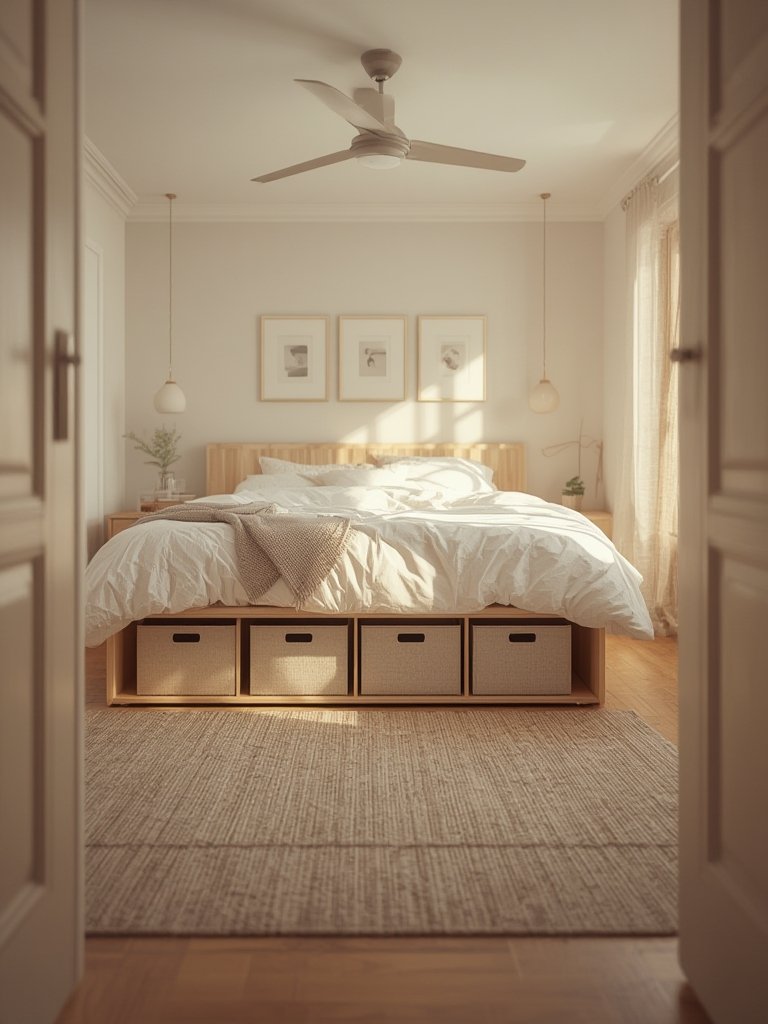
Beds with drawers offer a furniture-level solution and may look more polished but can be less flexible and usually cost much more. Loose containers and rolling drawers work with any bed and let you fully customize storage as your needs evolve.