

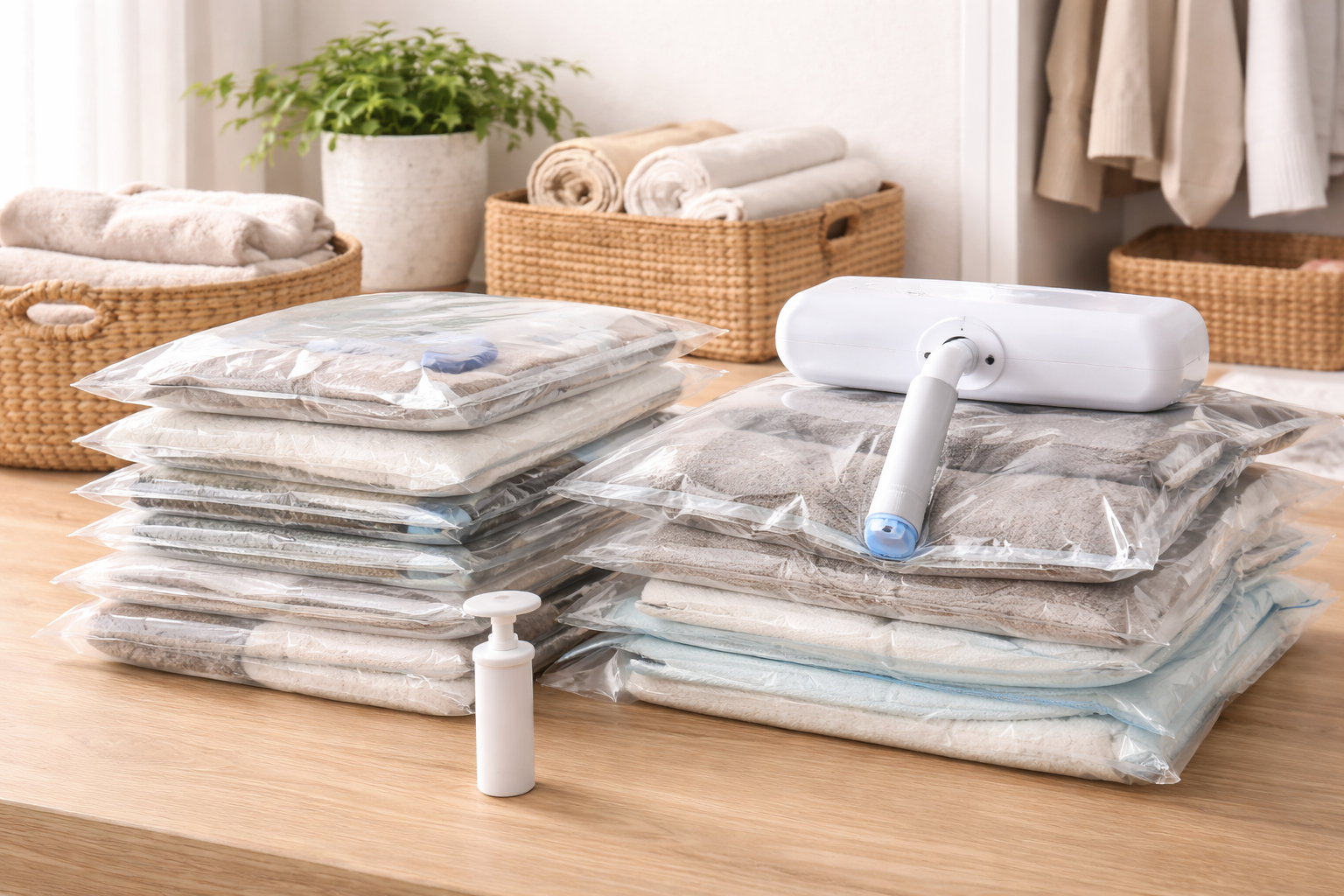
vacuum storage bags, space saving bags, vacuum seal bags are some of the most practical home organization products for making bedding, seasonal clothes, and bulky linens take up less room—if you use the right method and understand their limits.
Key Takeaways
- Vacuum storage bags can shrink bedding volume by up to 75%, but those numbers come from manufacturers, not independent tests.
- Durability, seal reliability, and correct technique matter—cheap or poorly sealed bags often leak or puncture sooner.
- Premium bags cost more, but mid-range options typically offer the best balance of cost, performance, and longevity for most users.
- How Vacuum Storage Bags Actually Work (& Why They Matter)
- How to Use Vacuum Storage Bags: Step-by-Step for Bedding
- Pitfalls, Problems, and Honest Realities of Vacuum Storage Bags
- Conclusion
- Frequently Asked Questions
How Vacuum Storage Bags Actually Work (& Why They Matter)
Vacuum storage bags (also known as space saving bags or vacuum seal bags) use a combination of heavy-duty plastic, airtight zippers, and one-way valves to remove excess air from soft items like comforters, duvets, and pillows. When you remove air, the big fluffiness gets squashed down—sometimes up to 75% smaller. This is a lifesaver for anyone wanting to reclaim closet or under-bed space, ship bedding in a move, or organize seasonal swaps.
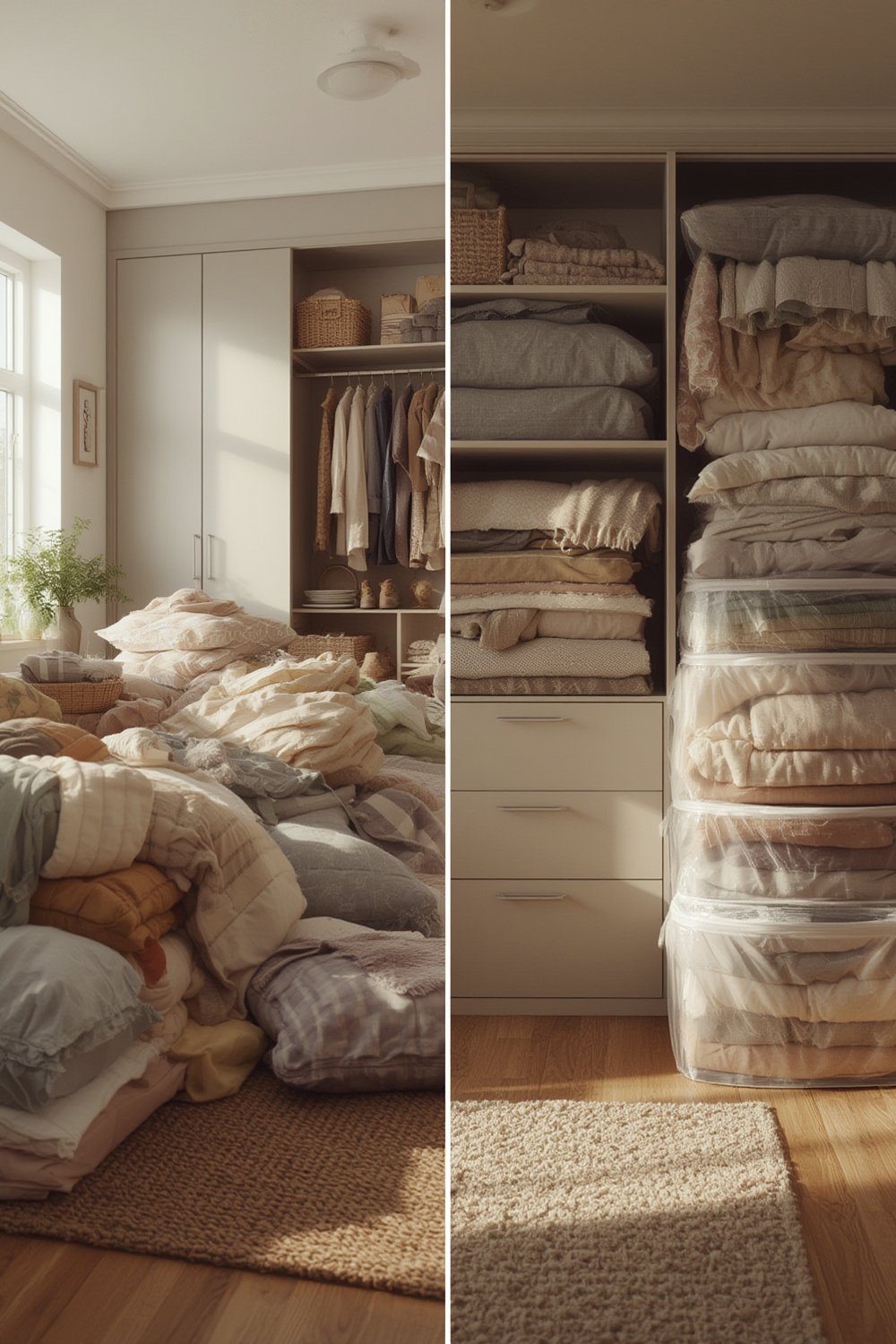
Most quality bags are made of thick, multi-layer plastics—usually a blend of polyethylene (PE) and polyamide (PA/nylon)—that form strong air, water, and dust barriers. As you remove air with a vacuum or pump, a one-way valve locks in the compression. This helps protect bedding from dampness, dust, bugs, and even some allergens during storage. For renters or those with limited space, vacuum seal bags are ideal, pairing perfectly with other storage hacks like over the door organizers or drawer dividers.
However, not all vacuum storage bags are created equal, and the technique you use determines how much space you really save—and how well your stuff survives storage.
How to Use Vacuum Storage Bags: Step-by-Step for Bedding
Follow this practical sequence for bedding, comforters, duvets, and pillows to get the best out of vacuum seal bags:
- Launder and dry items completely. Any moisture left in fabric (even “dry to touch” dampness) can cause odor or mildew. Invest extra time in this important prep.
- Choose bag size based on item bulk. For comforters and pillows, pick extra-large or jumbo bags—don’t overstuff or fold bedding too sharply, especially for down or foam.
- Neatly fold bedding to fit the bag shape. For wide duvets or king pillows, flat folding instead of rolling prevents tight crease marks.
- Insert bedding, keeping clear of zipper and valve areas. Spread the fill evenly, and never block the valve with fabric.
- Seal with a double check. Use the included slider or your fingers to ensure the double zipper closes completely—listen/feel for a full seal from end to end.
- Attach your vacuum or pump to the valve. Upright, canister, and stick vacuums all work, but larger bags fill fastest with higher suction models.
- Vacuum out the air slowly. Compress until the bulk shrinks by 60–75% or the bag just starts to resist. Don’t over-compress delicate bedding (e.g., down/foam) for long storage.
- Immediately close the valve tightly. Some models need a quarter-turn or a plug inserted. Verify the valve is firmly capped before moving the bag.
- Label, store flat, and avoid heavy stacking (to reduce puncture and seam stress during storage or a move).
- For long-term storage, check bags every few months for lost vacuum or leaks, especially in humid environments.
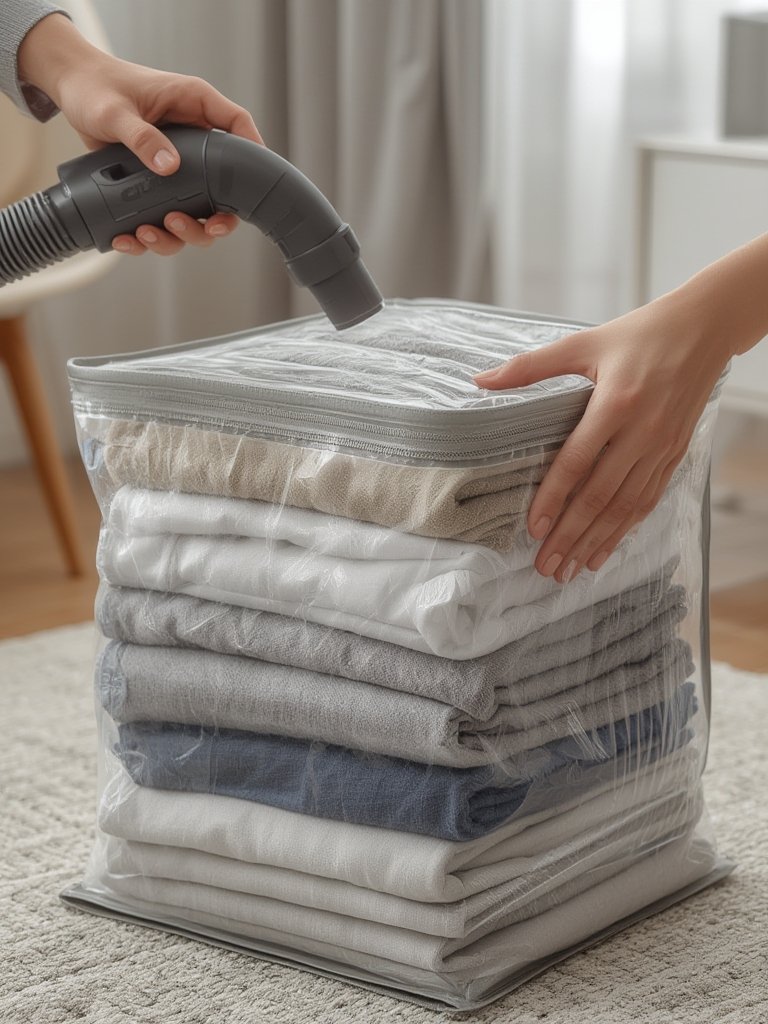
For best results, use mid-range or premium bags that advertise double-zips, thick films, or anti-mildew coatings. These have higher success rates in holding a vacuum, especially for months at a time in closets, attics, or under-bed spaces. If you’re organizing an entire home, pair vacuum bagded bedding with under sink organizers or pantry containers to take back every inch of storage space.
Pitfalls, Problems, and Honest Realities of Vacuum Storage Bags
While vacuum storage bags can transform your space, many users hit roadblocks. Here’s a clearer look at what really happens after months of use, plus a breakdown of market claims and actual user reports using 2024 research data:
Real-World Problems Most Users Experience
- Air leakage and gradual re-inflation: Even premium bags can slowly lose vacuum over time, often due to minuscule leaks at valves or seams—especially after repeated reuses or if overstuffed. Cheap bags often fail within a few cycles, according to Consumer Reports.
- Seal and valve breakdowns: Misaligned zippers or faulty valves cause slow leaks. Many complaints stem from quick zippers that feel shut but leave a tiny gap. Always push along the entire seal.
- Punctures and seam splits: Especially with heavy bedding, thinner budget bags can split at the corners, seams, or around the valve. Never drag a filled, compressed bag—it’s much less durable when fully flattened.
- Mildew and odors from hidden dampness: The biggest pitfall comes from rushing to bag bedding that isn’t absolutely dry. Moisture sealed inside will always lead to odor and sometimes visible mold during long-term storage.
- Disappointing durability claims: “Reusable” labels aren’t always backed by real cycle counts. Most low-cost bags break after 2–4 cycles, while higher-end brands may last 6–12, but almost none are truly permanent.
- Compression risk to delicate bedding: Down comforters lose loft with long compression; memory foam may develop creases or rebound slowly if vacuum-packed often or for long periods. Natural fibers like wool and silk can permanently crease if over-squashed.
Feature Comparison Table (2024 Buyer’s Guide)
| Feature | Budget Bags ($10-20/set) | Mid-Range Bags ($20-40/set) | Premium Bags ($40-70+/set) |
|---|---|---|---|
| Plastic Thickness/Material | Thin; basic single-layer or weak PE | Thick multi-layer PE+PA (nylon blend) | Extra-thick; may add anti-bacterial layer |
| Valve/Seal Design | Basic, often single-zip & loose valve | Double-zip (often with slider) & robust valve | Advanced valve; double/triple seal; slider |
| Compression Longevity | 1–2 months max before leak | 3–9 months if not overfilled | 6–12+ months (when carefully sealed) |
| Reusability (Cycles) | 2–4 compressions typical | 4–10 cycles | 8–20 cycles if cared for |
| Ideal for Bedding? | No—too weak for heavy/lofty bedding | Yes—good price-durability balance | Best for long-term and delicate items |
| Special Features | None | May include pump or cube shapes | Anti-mildew, anti-bacterial claims, cube options |
If you want your vacuum bags to last and truly compress bulky bedding, opt for the thickest bags you can afford. 2024 market data shows mid-range or specialty brands perform best across multiple uses, with feature-rich bags (anti-mildew, thick zippers) outperforming bargain bulk packs. Cheap bags are more likely to leak, split, and fail—unless you only need them for a one-off move.
For anyone optimizing the whole home, mix these vacuum bags with other efficient solutions such as magnetic storage for your kitchen or drawer dividers for closet order. And if you’re a renter, even no-drill shelves can complement what vacuum bags can do for your bedding and seasonal clothing storage.
Conclusion
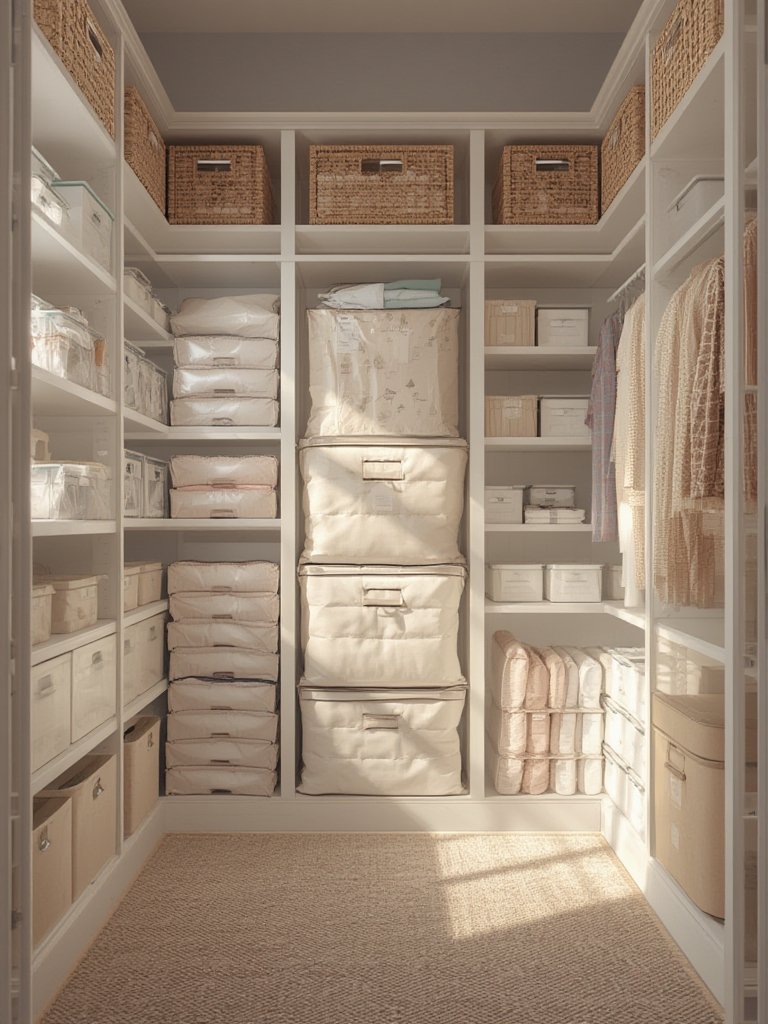
Vacuum storage bags, space saving bags, vacuum seal bags remain one of the most effective ways to create order out of chaos in small homes—especially when storing bedding, duvets, and pillows. Quality, airtight seals, careful technique, and the right materials make all the difference for lasting results. If you want maximum space savings and bedding that survives storage, invest in mid-range bags, apply best practices, and make vacuum storage bags a strategic part of your decluttering toolkit.
Ready to reduce the bulk? Start with a high-quality bag and revamp your closet, under-bed, or seasonal swap system now.
Frequently Asked Questions
How much space do vacuum storage bags actually save for bedding?
Manufacturers and market studies consistently claim up to about 75% volume reduction for bedding, duvets, and other bulky items. Real-life results depend on the fluffiness of what you pack and bag quality, but 60–75% savings is typical for comforters and pillows. (Source)
Can I reuse vacuum seal bags for bedding multiple times?
Most bags are reusable for several cycles—mid-range and premium bags generally last 4 to 10 compressions or more. Cheap, thin bags may leak or tear after just 2–4 uses. Always inspect seals and valves for wear before each reuse. (Consumer Reports)
Will vacuum sealing damage my down comforter or memory foam pillow?
Over-compressing real down for long periods can reduce loft or cause clumping. Memory foam can develop creases or lose its quick rebound if sealed for months. For delicate bedding, only compress for short periods and allow time to expand before use. Avoid sharp folds and heavy pressure. See our tips above for extra protection.
Why do my vacuum storage bags lose air or reinflate?
The most common reasons are leaks at the zipper or valve, punctures from overstuffing, or material fatigue after repeated cycles. Budget bags are more prone to slow leaks. Double-check seals and don’t bend or drag sealed bags to avoid premature failures.
Are vacuum storage bags safe for long-term under-bed or attic storage?
If your bags are fully sealed and bedding is completely dry, yes, they can be safe for many months. Store in cool, dry areas, check bags for vacuum loss every few months, and use moisture absorbers for added peace of mind. Avoid storing delicate or natural-fiber bedding tightly compressed for over 6–12 months.